medical assistant consultation


What is a Cerebral Neurinoma?
A cerebral neurinoma, also known as an acoustic neuroma, vestibular schwannoma, or brain neurinoma, is a benign (non-cancerous) tumor that arises from the Schwann cells, which are responsible for producing the myelin sheath covering the peripheral nerves. These tumors typically develop along the cranial nerves, particularly the eighth cranial nerve, known as the vestibulocochlear nerve, which is responsible for hearing and balance.
Though benign and slow-growing, a cerebral neurinoma can cause significant neurological symptoms as it expands and compresses adjacent structures, including critical brain areas, cranial nerves, and blood vessels. If left untreated, these tumors can lead to severe complications, including hearing loss, facial paralysis, and life-threatening increases in intracranial pressure. Early detection and treatment are essential to prevent irreversible damage and improve patient outcomes.
Types of Cerebral Neurinoma
Cerebral neurinomas, or schwannomas, are categorized based on their location and the nerves they affect. The two main types include:
Acoustic Neurinoma (Vestibular Schwannoma)
This is the most common type of cerebral neurinoma and originates from the vestibular branch of the vestibulocochlear nerve (eighth cranial nerve). Acoustic neurinomas typically arise in the internal auditory canal or at the cerebellopontine angle, where the nerve enters the brainstem. As the tumor grows, it may compress nearby structures, including the cochlear nerve (affecting hearing), the facial nerve (affecting facial movements), and the brainstem.
Trigeminal Schwannoma
A less common type of brain neurinoma, the trigeminal schwannoma, arises from the fifth cranial nerve, which controls sensation in the face and certain motor functions like chewing. These tumors can affect facial sensation, cause pain, and lead to muscle weakness. Trigeminal schwannomas are typically located near the skull base and the brainstem.
Symptoms of Cerebral Neurinoma
The symptoms of a cerebral neurinoma vary depending on the size of the tumor, its location, and the nerves or brain structures it compresses. Many symptoms develop gradually over time as the tumor enlarges.
Acoustic Neurinoma Symptoms
- Hearing Loss: One of the earliest and most common symptoms of acoustic neurinoma is hearing loss, typically in one ear. This can range from mild to severe and may progress slowly.
- Tinnitus: Ringing or buzzing in the affected ear is another hallmark symptom.
- Balance Issues: Since the vestibular nerve is responsible for balance, patients may experience dizziness, vertigo, and unsteady walking.
- Facial Numbness or Weakness: Large tumors can press on the nearby facial nerve, causing numbness or weakness in one side of the face, and in some cases, facial twitching or paralysis.
- Headaches: As the tumor grows and increases pressure on the brain, headaches can develop.
- Fullness or Pressure in the Ear: Some patients report a sensation of fullness or pressure in the affected ear.
Trigeminal Schwannoma Symptoms
- Facial Numbness: A trigeminal schwannoma can cause sensory disturbances, such as numbness or tingling, in parts of the face.
- Facial Pain: Some patients experience pain, described as stabbing or burning sensations, often linked to trigeminal neuralgia.
- Difficulty Chewing: Weakness in the muscles responsible for chewing can occur if the tumor compresses the motor branch of the trigeminal nerve.
- Double Vision: If the tumor expands and affects adjacent cranial nerves, patients may experience vision problems.
Methods of Treatment for Cerebral Neurinoma
The treatment for cerebral neurinoma depends on factors such as tumor size, growth rate, the patient’s symptoms, and overall health. The three main treatment approaches include observation, radiation therapy, and surgery.
Observation (Watchful Waiting)
In cases where the tumor is small, not causing significant symptoms, or growing very slowly, doctors may recommend observation, also known as "watchful waiting." Regular MRI scans are performed to monitor the tumor’s size over time. If the tumor remains stable and symptoms do not worsen, no immediate intervention may be necessary. This approach is particularly common in older patients or those with health conditions that make surgery risky.
Radiation Therapy
Radiation therapy is an option for patients who are not candidates for surgery or for tumors that are difficult to access surgically. This includes stereotactic radiosurgery (SRS) or fractionated stereotactic radiotherapy (FSRT), both of which deliver high doses of radiation to the tumor while minimizing damage to surrounding healthy tissues.
- Stereotactic Radiosurgery (SRS): This non-invasive treatment involves delivering a single, highly focused dose of radiation to the tumor, stopping its growth. While it does not remove the tumor, it can halt its progression and often shrink the tumor slightly over time.
- Fractionated Stereotactic Radiotherapy (FSRT): Similar to SRS but spread over multiple sessions, FSRT is used for larger tumors or tumors close to critical structures like the brainstem. It allows the tumor to be treated with lower doses of radiation over several sessions to reduce side effects.
Surgical Intervention
Surgical removal of the tumor is the preferred option for symptomatic or large cerebral neurinomas, particularly when they are causing neurological symptoms or growing rapidly. Surgery can be performed using different techniques, depending on the tumor's size and location.
Surgery for Cerebral Neurinoma
Surgery is often necessary for symptomatic cerebral neurinomas or when the tumor continues to grow despite observation. The goal of surgery is to remove as much of the tumor as possible while preserving nerve function, especially hearing and facial movement. The type of surgical approach used depends on the tumor’s size, location, and proximity to critical structures.
Microsurgery
Microsurgery is the standard surgical approach for removing a cerebral neurinoma. Surgeons use advanced imaging and magnification tools to carefully remove the tumor while minimizing damage to surrounding structures. There are three primary surgical approaches for acoustic neurinomas:
- Retrosigmoid Approach: This approach involves making an incision behind the ear and opening the skull near the brainstem. It provides good access to larger tumors and allows the surgeon to attempt hearing preservation.
- Translabyrinthine Approach: This approach involves removing part of the inner ear (the labyrinth) to access the tumor. It is usually used for larger tumors but results in permanent hearing loss in the affected ear.
- Middle Fossa Approach: This approach is used for smaller tumors located in the internal auditory canal. It is ideal for hearing preservation.
Endoscopic Surgery
For small or medium-sized tumors, minimally invasive endoscopic surgery may be an option. This technique involves making small incisions and using an endoscope (a thin tube with a camera) to remove the tumor. Endoscopic surgery has the advantage of shorter recovery times and less postoperative pain, but it may not be suitable for larger or more complex tumors.
Risks and Complications of Surgery
Surgery for cerebral neurinoma is generally safe, but there are risks involved, including hearing loss, facial nerve damage, cerebrospinal fluid leaks, and infection. In rare cases, life-threatening complications like brainstem injury or hemorrhage may occur. Postoperative rehabilitation, including physical therapy, may be required for some patients.
Why You Should Choose Israel for Treatment of Cerebral Neurinomas
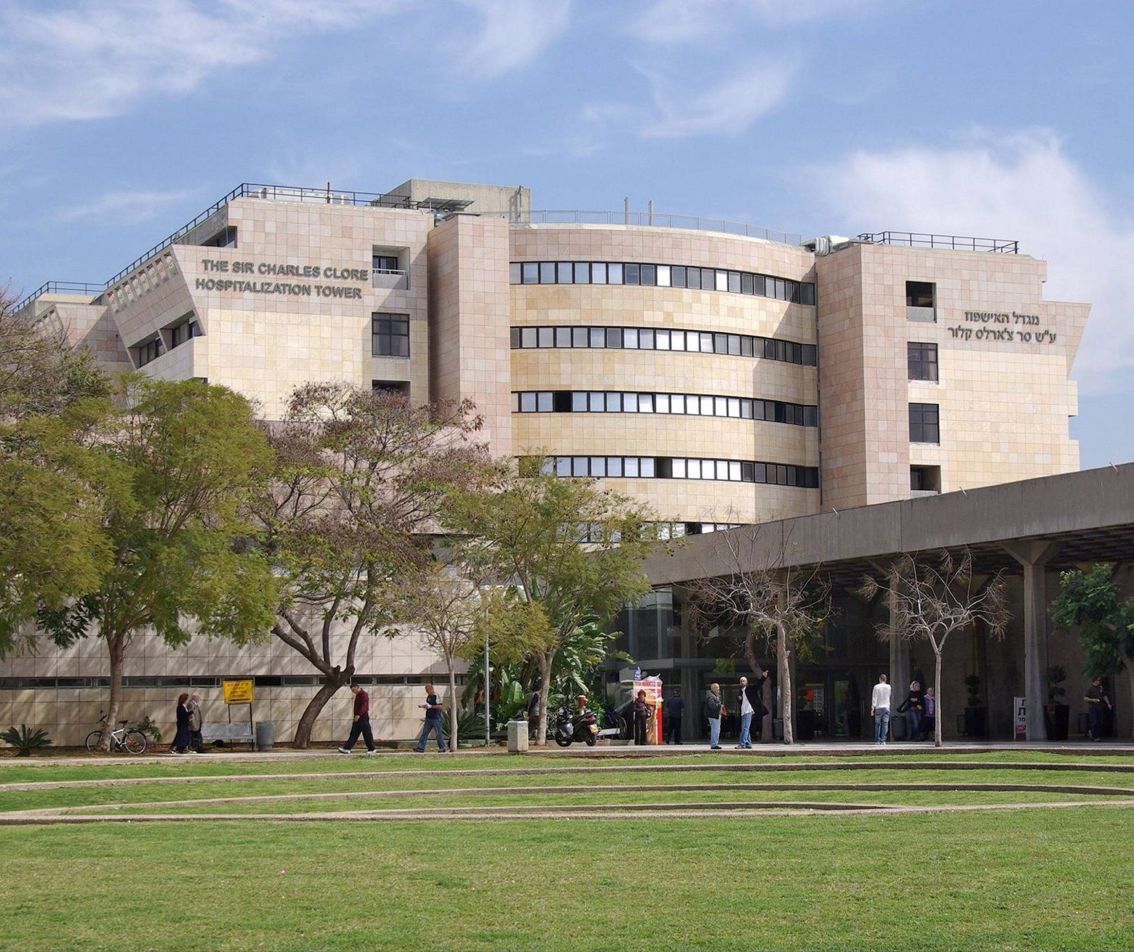
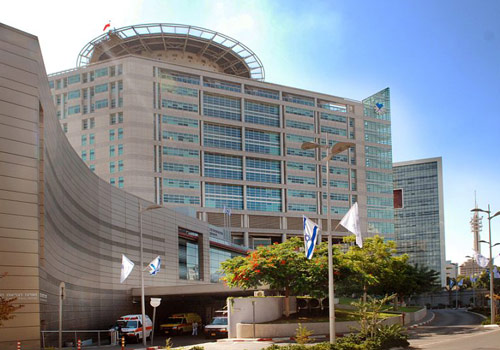
Israel is globally recognized for its advanced medical care, particularly in the field of neurosurgery and oncology. There are several compelling reasons why patients choose Israel for the treatment of cerebral neurinomas:
Expertise in Neurosurgery
Israeli neurosurgeons are among the best in the world, with extensive experience in both conventional and minimally invasive techniques for treating brain tumors like neurinomas. They are highly trained in using cutting-edge technologies, including intraoperative MRI and advanced neuronavigation systems, which enhance surgical precision and reduce complications.
Advanced Diagnostic and Therapeutic Technologies
Israel’s medical facilities are equipped with state-of-the-art diagnostic tools, such as high-resolution MRI, PET-CT, and functional MRI, allowing for detailed mapping of brain structures and accurate tumor localization. Israeli hospitals also use the latest radiation therapies, including Gamma Knife radiosurgery and CyberKnife, which offer highly effective non-invasive treatment options.
Multidisciplinary Approach
Israeli hospitals adopt a multidisciplinary approach to care, where teams of neurosurgeons, oncologists, radiation specialists, and rehabilitation experts collaborate to provide personalized treatment plans. This ensures that each patient receives comprehensive care tailored to their specific needs.
High Success Rates
Thanks to the combination of experienced surgeons, advanced technology, and personalized care, Israel boasts high success rates in treating cerebral neurinomas, with excellent outcomes in terms of tumor control, symptom relief, and quality of life.
Affordable and Accessible Healthcare
While Israel offers some of the most advanced medical treatments in the world, the cost of healthcare is often lower than in countries like the U.S. or Western Europe. Patients from around the globe come to Israel for high-quality care at a more affordable price. Moreover, Israeli hospitals offer excellent support services for international patients, including translation services and help with accommodation and travel logistics.