medical assistant consultation


Lymphoma is a type of cancer that occurs in the lymphatic system, which is part of the body's immune system. It mainly involves lymphocytes - white blood cells. There are two main categories of lymphoma: Hodgkin's lymphoma (HL) and non-Hodgkin's lymphoma (NHL), each of which has different subtypes. Israel is known for its advanced medical research and treatment capabilities, making it a destination for lymphoma treatment.
Types of lymphoma
Hodgkin's lymphoma (HL):
Hodgkin's lymphoma is characterized by the presence of Reed-Sternberg cells, a specific type of abnormal cell. HL usually starts in the lymph nodes and can spread to other parts of the body. It is considered one of the most treatable types of cancer, with high survival rates, especially when diagnosed early.
Non-Hodgkin's lymphoma (NHL):
Non-Hodgkin's lymphoma encompasses different groups of blood cancers that differ significantly in their behavior, treatment, and prognosis. NHL can affect both lymph nodes and other organs. It is more common than AML and includes numerous subtypes that are classified based on cellular origin and growth characteristics.
Diagnosis and staging
Accurate diagnosis and staging of lymphoma is crucial to determine the most appropriate treatment plan. In Israel, the most modern diagnostic methods are used:
- Biopsy: A sample of a lymph node or other tissue is examined to confirm the presence and type of lymphoma.
- Visualization studies: PET scans, CT scans, and MRIs are used to determine the extent and spread of the disease.
- Bone marrow examination: evaluates whether the lymphoma has spread to the bone marrow.
- Molecular genetic testing: detection of specific genetic mutations and biomarkers, which helps in personalized treatment planning.
Treatment options in Israel
Israel offers a wide range of lymphoma treatments that combine advanced technology and research-based protocols.
- Chemotherapy:
Chemotherapy remains the cornerstone of lymphoma treatment. Israeli oncologists use a variety of chemotherapy drugs in combination regimens tailored to the specific type and stage of lymphoma. Advanced protocols such as dose-dependent chemotherapy (etoposide, prednisone, vincristine, cyclophosphamide, doxorubicin) are used based on individual patient factors.
- Radiation therapy:
Radiation therapy is often used in combination with chemotherapy, especially in the early stages of HL. In Israel, advanced technologies such as intensity-modulated radiation therapy (IMRT) and proton therapy are available to minimize damage to surrounding healthy tissue.
- Immunotherapy:
Israel is at the forefront of immunotherapy research. Monoclonal antibodies, such as rituximab, are used to target specific targets, such as mphomacilli. Immune checkpoint inhibitors and CAR-T cell therapy are newer therapies that are showing promise, especially in refractory or relapsed cases of mphoma.
- Targeted therapy:
Targeted therapies focus on specific cellular targets involved in lymphoma growth. Drugs such as bibrutinib and venetoclax are used in certain subtypes of NHL, providing effective treatment with potentially fewer side effects than traditional chemotherapy.
- Stem cell transplantation:
Both autologous and allogeneic stem cell transplants are performed in Israel. These procedures are considered for patients with relapsed or refractory lymphoma, offering potentially longer remission.
- Clinical trials:
Israeli medical centers are actively involved in international and local clinical trials, giving patients access to the latest therapies and experimental treatments that are not yet widely available.
Leading medical centers in Israel
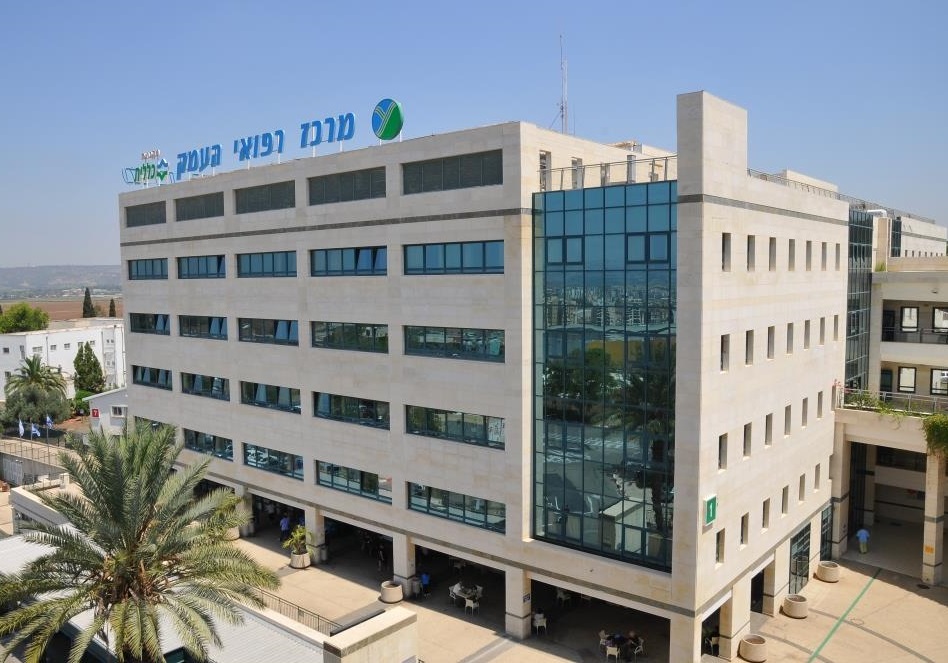
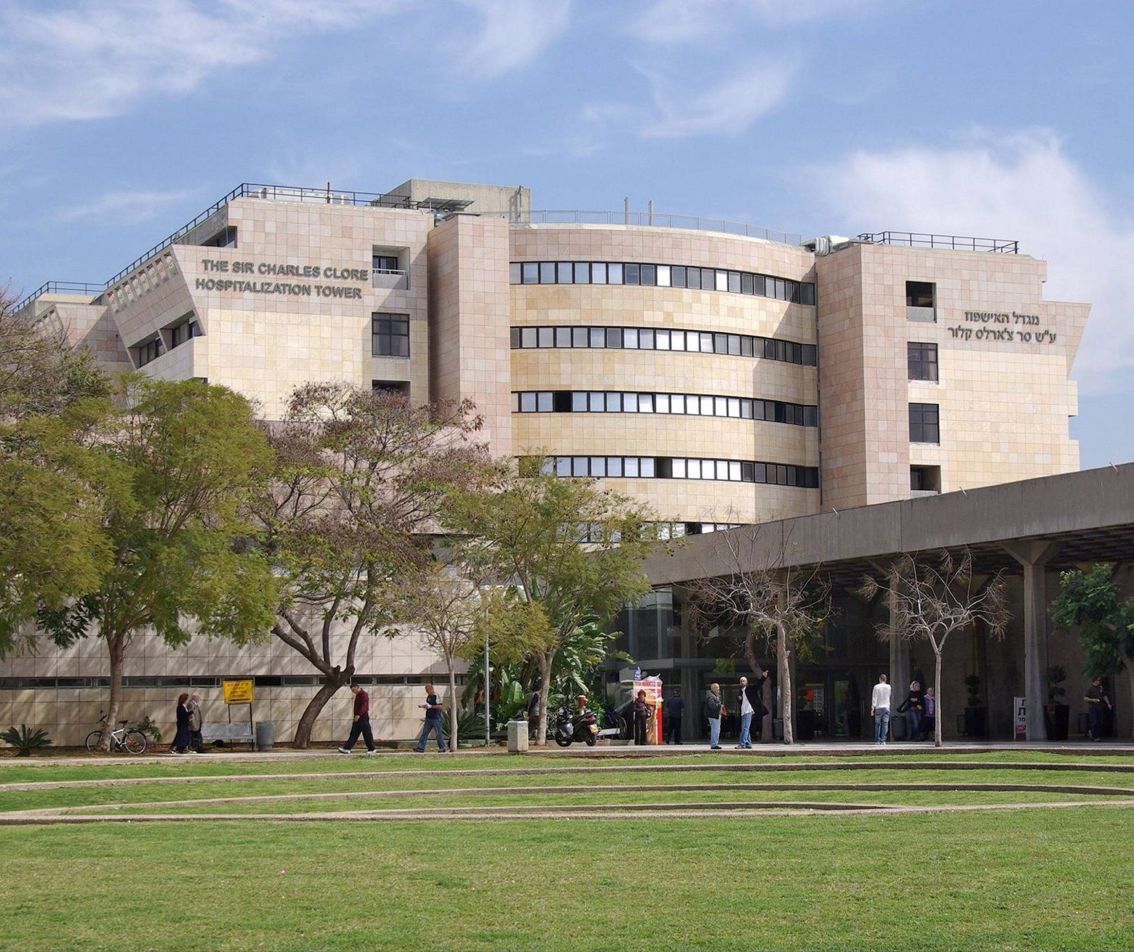
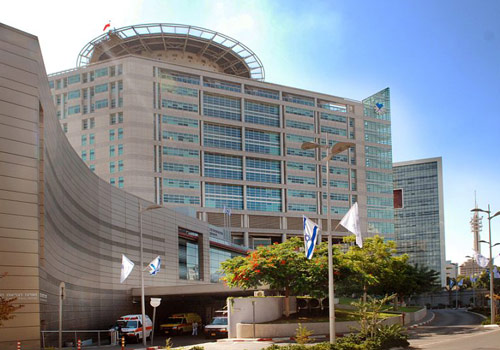
Several hospitals and medical centers in Israel have gained international recognition for their lymphoma treatment programs:
- Sheba Medical Center: One of the largest hospitals in the Middle East, known for its comprehensive medical care, including a special cancer unit.
- Hadassah Medical Center: Known for its advanced research and treatment capabilities, Hadassah offers a wide range of lymphoma treatments and clinical trials.
- Rambam Health Campus: With a specialized oncology department, Rambam offers state-of-the-art treatments and personalized care for lymphoma patients.
- Tel Aviv Sourasky Medical Center: This center combines advanced medical technology with a multidisciplinary approach to effectively treat mfm.
Conclusion.
Israel's medical infrastructure, combined with its emphasis on research and innovation, makes the country a leader in the treatment of lymphoma. Patients benefit from state-of-the-art diagnostic tools, a wide range of treatment options, and access to the latest clinical trials. The country's commitment to developing oncology ensures that people with lymphoma receive the most effective and personalized treatment.