medical assistant consultation


What is maxillary sinus cancer?
Maxillary sinus cancer is a rare type of cancer that affects the maxillary sinuses, which are air-filled cavities located behind the cheekbones and under the eyes. These sinuses are part of the paranasal sinus system and play a role in moisturizing the air we breathe and reducing the weight of the skull. Cancer in this area can develop when the cells lining the sinuses undergo abnormal growth and form malignant tumors.
Maxillary sinus cancer is most commonly a form of squamous cell carcinoma that occurs in the thin, flat cells that line the inner surface of the sinuses. However, other types of cancer, such as adenocarcinoma, melanoma, or sarcoma, can also occur in the maxillary sinus. Although maxillary sinus cancer is rare, it is aggressive and can invade nearby structures, including the nasal cavity, eyes, and even the brain.
Due to its location, early detection can be difficult, and symptoms may not appear until the cancer has advanced. Treatment usually involves a combination of surgery, radiation therapy, and chemotherapy, and the prognosis largely depends on how early the cancer is diagnosed and treated.
Types of maxillary sinus cancer
Several types of cancer can develop in the maxillary sinuses. Each type arises from different types of cells in the sinus lining or surrounding tissues. The main types include:
Squamous cell carcinoma
This is the most common type of maxillary sinus cancer, accounting for more than 60% of cases. It arises from squamous cells lining the sinus mucosa. Squamous cell carcinoma is usually aggressive, able to penetrate adjacent tissues and spread to other parts of the body (metastasis).
Adenocarcinoma
Adenocarcinoma arises from the glandular cells of the sinus mucosa. Although it is less common than squamous cell carcinoma, it can also be aggressive and invasive. Adenocarcinoma accounts for 10 to 20% of all cases of maxillary sinus cancer.
Melanoma
Maxillary sinus melanoma is a rare and aggressive type of cancer that develops from melanocytes, pigment-producing cells. Although melanoma is most commonly associated with skin cancer, it can sometimes occur in the lining of the sinuses
Sarcoma
Sarcomas are cancerous tumors that arise from connective tissues such as cartilage, bone, or muscle. In the maxillary sinus, these tumors are rare, but can include types such as chondrosarcoma (from cartilage) and osteosarcoma (from bone). Sarcomas are usually aggressive and require extensive treatment.
Lymphoma
Lymphoma, a cancer of the lymphocytes of the immune system, can develop in the tissues of the maxillary sinus, although rarely. These tumors are usually treated differently than other types of sinus cancer, and the main treatments are chemotherapy and radiation therapy.
Symptoms of maxillary sinus cancer
Symptoms of maxillary sinus cancer often mimic those of more common, benign conditions such as sinusitis or allergies, which can delay diagnosis. As the cancer grows, it can invade nearby structures, leading to more noticeable and serious symptoms. Common symptoms of maxillary sinus cancer include:
- Persistent nasal congestion or blockage: One of the most common early symptoms is a feeling of constant nasal congestion or blockage, especially on one side of the face.
- Facial pain or pressure: Patients may experience pain or pressure in the face, especially around the cheekbones, upper teeth, or forehead. The pain may become persistent and worsen over time.
- Nosebleeds (epistaxis): Frequent or unexplained nosebleeds, especially from one nostril, may be a sign of maxillary sinus cancer.
- A tumor or swelling on the face: As a tumor grows, it may cause a visible swelling in the cheek area or under the eye. There may also be swelling on the roof of the mouth or inside the nose.
- Toothache or loosening of teeth: The close proximity of the tumor to the upper jaw can cause toothache, loose teeth, or even tooth loss.
- Double vision or vision problems: If the tumor invades the orbit (eye socket), it can lead to double vision, bulging of the eye, or difficulty moving the eye.
- Difficulty breathing or speaking: In advanced cases, the tumor may block the nasal passages or affect nearby structures, leading to difficulty breathing or speech.
- Facial numbness: The tumor may compress nerves, causing numbness or tingling in the face, especially around the cheeks, nose, or upper lip.
Treatment methods for maxillary sinus cancer
Treatment for maxillary sinus cancer depends on several factors, including the type and stage of cancer, the patient's overall health, and the location of the tumor. The most common treatments include surgery, radiation therapy, and chemotherapy, which are often used in combination to achieve the best results.
Surgery
Surgery is the main method of treating maxillary sinus cancer, especially in cases where the tumor is localized and has not spread to distant sites. The purpose of surgery is to remove the tumor and all affected surrounding tissues. Depending on the size and location of the tumor, the surgery may involve removing part of the maxillary sinus or nearby structures, such as the nasal cavity, eye, or upper jaw.
In some cases, reconstructive surgery is required to restore the appearance and function of the face after tumor removal. Reconstructive methods may include the use of bone grafts, soft tissue grafts, or prostheses to restore areas that have been affected by surgery.
Radiation therapy
Radiation therapy uses high-energy rays to kill cancer cells and reduce the size of the tumor. It is often used after surgery to kill any remaining cancer cells and reduce the risk of recurrence. In cases where surgery is not possible due to the location of the tumor or the patient's health condition, radiation therapy may be the main treatment.
Advanced radiation techniques, such as intensity-modulated radiation therapy (IMRT) and proton therapy, are used to target the tumor with precision while minimizing damage to surrounding healthy tissue. These methods are especially useful in the head and neck area, where important structures such as the brain, eyes, and nerves are located.
Chemotherapy
Chemotherapy involves the use of medications to kill cancer cells or stop their growth. It is often used in combination with surgery and radiation therapy, especially in the case of advanced sinusitis or if the cancer has spread to other parts of the body.
Chemotherapy can also be used as a neoadjuvant treatment (before surgery) to shrink the tumor and make it easier to remove surgically, or as an adjuvant treatment (after surgery) to reduce the risk of recurrence. Common chemotherapeutic drugs used for maxillary sinus cancer include cisplatin, fluorouracil (5-FU), and carboplatin.
Targeted therapy
Targeted therapy is a new treatment approach that involves the use of drugs that target specific molecules involved in cancer growth. These drugs work by interfering with the ability of cancer cells to grow and spread, while causing minimal harm to normal cells. Targeted therapy is usually considered for patients with advanced or recurrent maxillary sinus cancer.
Surgery for maxillary sinus cancer
Surgery is the cornerstone of the treatment of maxillary sinus cancer. Depending on the size, location and extent of the tumor, different surgical approaches can be used. The goal of the surgery is to remove as much of the tumor as possible while preserving the function and appearance of the face.
Maxillectomy
Maxillary sinonotomy is the most common surgical procedure used to treat maxillary sinus cancer. It involves removing part or all of the maxillary bone along with the tumor.
Depending on the extent of cancer spread, maxillary sinus surgery can be classified into:
- Partial maxillectomy: Only a part of the upper jaw and surrounding tissues is removed.
- Total maxillectomy: The entire upper jaw is removed, including part of the upper jaw.
After maxillectomy, reconstructive surgery may be required to restore the appearance and function of the face. This can be done using bone grafts, soft tissue flaps, or prostheses.
Craniofacial resection
Craniofacial resection is a broader surgical procedure that is used in case of advanced maxillary sinusitis that has spread to nearby structures, such as the nasal cavity, eyes, or skull base. This operation involves removing the tumor along with parts of the facial skeleton, eyes, or skull base, depending on the location of the tumor.
Craniofacial resection is often followed by reconstructive surgery to restore the affected areas and improve the patient's quality of life. This procedure is complex and requires the participation of a multidisciplinary team of surgeons, including head and neck surgeons, neurosurgeons, and plastic surgeons.
Endoscopic surgery
In some cases, especially in the case of early-stage or small tumors, endoscopic surgery may be used. In this minimally invasive method, a thin, flexible tube with a camera (endoscope) is used to access and remove the tumor through the nose.
The advantage of endoscopic surgery is shorter recovery time and fewer complications, but it is not suitable for large or more advanced tumors.
Why you should choose Israel for the treatment of maxillary sinus cancer
World-class medical facilities
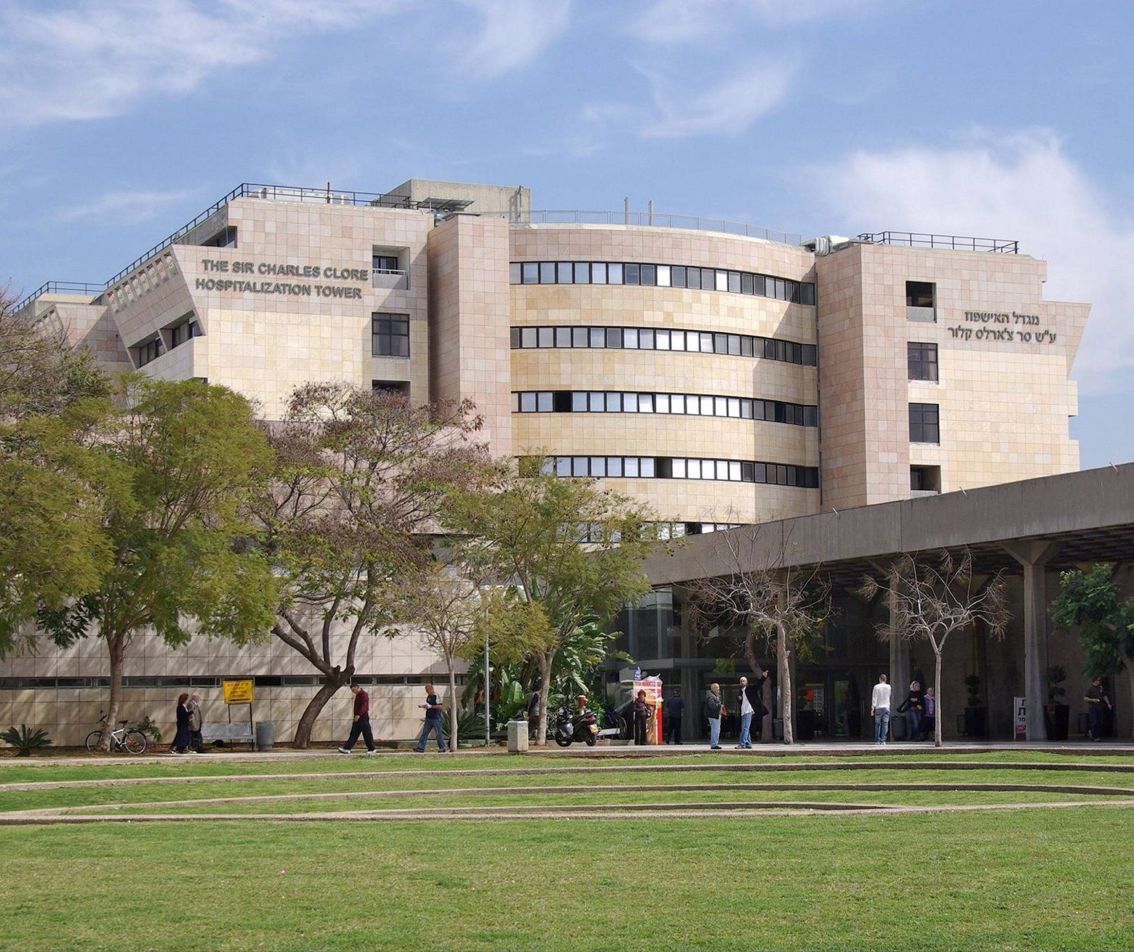
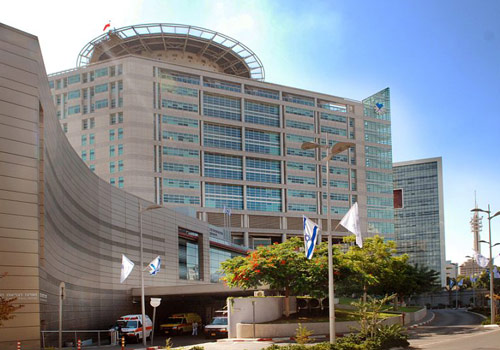
Israel is home to several leading medical centers, such as the Shiba Medical Center, Rambam Health Campus, and Hadassah Medical Center, which are internationally recognized for their comprehensive cancer care. These facilities offer state-of-the-art equipment and multidisciplinary teams specializing in head and neck cancers, including maxillary sinus cancer.
Expertise in head and neck oncology and surgery
Israeli oncologists and surgeons are pioneers in the field of cancer treatment. Many of them have been trained at prestigious institutions around the world, which enables them to apply innovative approaches to treatment. In the case of maxillary sinus cancer, which requires precise and specialized care, Israeli doctors have extensive experience in managing complex cases, which allows them to achieve the best results.
Advanced technologies
Israeli hospitals use the latest medical technologies, including robotic surgery, minimally invasive techniques, and proton therapy, which is especially useful for tumors near sensitive structures such as the brain and eyes. These technologies allow for more precise tumor removal, less damage to surrounding tissue, and faster recovery.
Advanced radiation and chemotherapy
Israel is at the forefront of radiation therapy, including intensity-modulated radiation therapy (IMRT) and stereotactic body radiation therapy (SBRT), which provide highly targeted treatment for maxillary sinus cancer. In addition, personalized chemotherapy protocols are being developed based on genetic profiling, which increases the effectiveness of treatment.
Innovative immunotherapy and clinical trials
Israel is actively involved in clinical trials and research related to cancer treatment, offering patients access to immunotherapy and other experimental treatments that may not be widely available in other countries. These innovative therapies can improve survival rates and quality of life, especially for advanced or treatment-resistant cancers.
Comprehensive patient care
Israeli medical centers provide comprehensive care, paying attention not only to the physical aspects of cancer treatment, but also to emotional and psychological support. Patients use the services of multidisciplinary teams that include oncologists, surgeons, radiologists, nutritionists, and psychologists, which provides comprehensive care throughout the treatment process.
Shorter waiting times
Unlike some other countries, the Israeli healthcare system offers relatively short waiting times for cancer treatment. This can be crucial for patients with maxillary sinus cancer, where early and timely intervention has a significant impact on prognosis.
Expertise in medical tourism
Israel is a popular destination for medical tourism, and hospitals offer services geared toward foreign patients. Many hospitals have special departments for foreign patients that provide assistance with everything from translation to accommodation, making the treatment process more comfortable for patients coming from abroad.