medical assistant consultation


Nodular Melanoma
Nodular melanoma is a particularly aggressive form of melanoma, a type of skin cancer that develops from the pigment-producing cells known as melanocytes. Unlike other forms of melanoma, which may evolve slowly and exhibit warning signs such as changes in a mole's appearance, nodular melanoma typically appears suddenly as a new growth. This cancer is characterized by its rapid vertical growth, often penetrating deeper into the skin and reaching the underlying tissues much more quickly than other melanoma types. This makes it especially dangerous, as the depth of penetration is closely linked to the risk of the cancer spreading (metastasizing) to other parts of the body.
Nodular melanoma usually appears as a dark, raised bump on the skin, though it can sometimes be pink, red, or flesh-colored. It most often occurs on sun-exposed areas of the body, such as the head, neck, and trunk, but it can appear anywhere. This type of melanoma is more common in older adults and those with fair skin, although it can affect anyone. Because nodular melanoma grows so quickly, it often does not meet the typical criteria used to identify melanoma, such as asymmetry, irregular borders, or changes in color. This makes it particularly challenging to diagnose early, underlining the importance of regular skin checks and professional evaluation of any new or changing skin lesions.
Types of Nodular Melanoma
Nodular melanoma is primarily categorized by its distinct clinical and pathological features. However, within the broad classification of nodular melanoma, there are variations that can be identified based on specific characteristics:
1. Pigmented Nodular Melanoma: This is the most common form of nodular melanoma, characterized by its dark color due to the presence of melanin. The lesion usually appears black, brown, or blue, and is often dome-shaped. The pigmentation is a result of the accumulation of melanin produced by the melanocytes, giving it a distinctive dark appearance.
2. Amelanotic Nodular Melanoma: Unlike pigmented nodular melanoma, amelanotic nodular melanoma lacks the typical dark color because it produces little or no melanin. These tumors can be pink, red, or even the same color as the surrounding skin, making them particularly difficult to identify. Due to their lack of pigmentation, they may resemble benign skin conditions, leading to delays in diagnosis and treatment.
3. Ulcerated Nodular Melanoma: In some cases, nodular melanomas can become ulcerated, meaning the skin over the tumor breaks down and forms an open sore. Ulceration is a sign of an advanced melanoma and is associated with a poorer prognosis. Ulcerated nodular melanomas are often more aggressive and may bleed or become infected.
4. Desmoplastic Nodular Melanoma: This subtype is characterized by a fibrous, scar-like tissue within the tumor. Desmoplastic nodular melanoma is rare and can be difficult to diagnose due to its unusual appearance, which may resemble a scar or benign skin lesion. This type of melanoma is often found on the head or neck and may have a slower growth rate compared to other nodular melanomas, but it still poses a significant risk if not treated promptly.
Treatment of Nodular Melanoma
The treatment of nodular melanoma depends on several factors, including the stage of the cancer, its location, and the overall health of the patient. Early detection and treatment are crucial for improving outcomes, as nodular melanoma is known for its rapid growth and potential to spread.
1. Surgical Excision: The primary treatment for nodular melanoma is surgical removal of the tumor. During this procedure, the surgeon removes the melanoma along with a margin of surrounding healthy tissue to ensure that no cancer cells are left behind. The size of the margin depends on the thickness of the melanoma. In cases where the melanoma has spread to nearby lymph nodes, these may also be removed through a procedure called lymphadenectomy.
2. Sentinel Lymph Node Biopsy: For melanomas that are more than 1 mm thick or show signs of ulceration, a sentinel lymph node biopsy is often performed to determine if the cancer has spread to the lymphatic system. This involves injecting a dye near the tumor site to identify the first lymph node (the sentinel node) that drains from the tumor. If cancer cells are found in this node, additional lymph nodes may be removed, and the patient may require further treatment.
3. Adjuvant Therapy: After surgery, some patients may receive adjuvant therapy to reduce the risk of the melanoma returning. This may include immunotherapy, targeted therapy, or radiation therapy. Immunotherapy, such as checkpoint inhibitors (e.g., pembrolizumab, nivolumab), helps boost the body's immune system to fight cancer cells. Targeted therapy, such as BRAF and MEK inhibitors, is used for melanomas with specific genetic mutations.
4. Immunotherapy: In advanced cases of nodular melanoma, where the cancer has spread beyond the original site, immunotherapy is often used as a systemic treatment. Checkpoint inhibitors are the most common form of immunotherapy used for melanoma and work by blocking proteins that prevent the immune system from attacking cancer cells. This treatment can help shrink tumors and slow the progression of the disease, although it may come with side effects, such as fatigue, skin rashes, and autoimmune reactions.
5. Targeted Therapy: For patients with certain genetic mutations, such as BRAF mutations, targeted therapy can be an effective treatment option. Drugs like vemurafenib and dabrafenib specifically target the BRAF protein, which is involved in cell growth. By blocking this protein, targeted therapy can slow or stop the growth of melanoma cells. This treatment is often combined with MEK inhibitors (e.g., trametinib) to improve outcomes.
6. Radiation Therapy: In some cases, radiation therapy may be used to treat nodular melanoma, particularly if the cancer has spread to areas that are difficult to remove surgically, such as the brain or bones. Radiation therapy uses high-energy rays to kill cancer cells and shrink tumors. It may also be used to relieve symptoms in advanced stages of the disease.
7. Clinical Trials: For patients with advanced or treatment-resistant nodular melanoma, participation in clinical trials may provide access to new and experimental therapies. Clinical trials offer the opportunity to receive cutting-edge treatments that are not yet widely available and can contribute to the advancement of melanoma research.
8. Follow-Up Care: Regular follow-up care is essential for patients who have been treated for nodular melanoma. This includes routine skin exams, imaging tests, and monitoring for any signs of recurrence or new melanoma development. Patients are also advised to practice sun protection measures, such as wearing sunscreen and avoiding tanning beds, to reduce the risk of future skin cancers.
Treatment of nodular melanoma with BK MEDICAL LOGISTIC
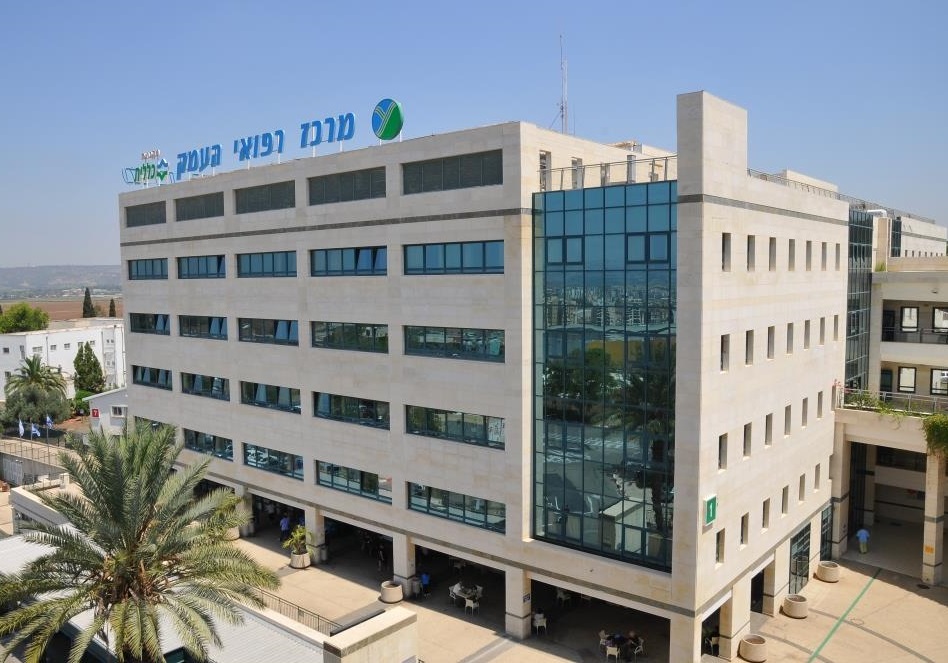
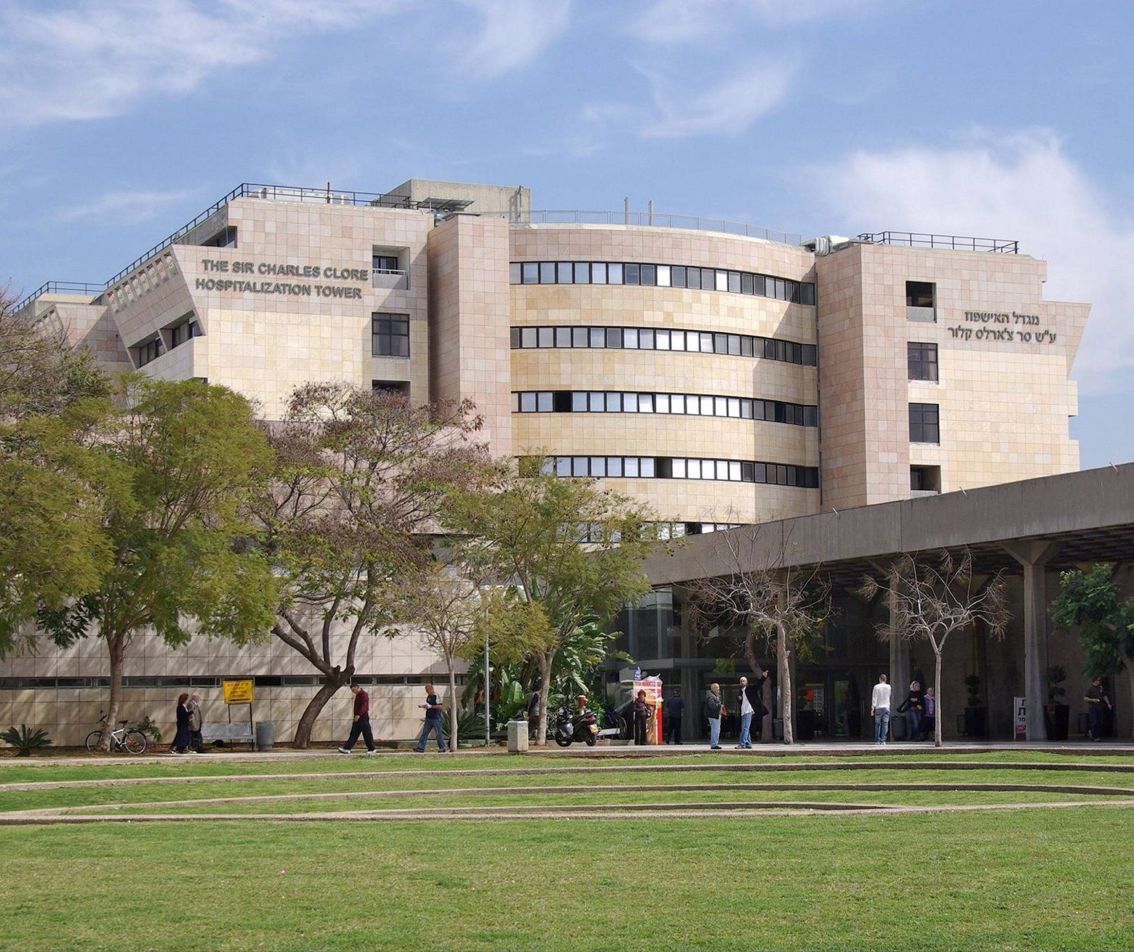
A specialized company BK MEDICAL works in Ukraine to help people with cancer problems LOGISTIC. We make it possible for Ukrainian patients to meet with doctors from leading Israeli oncology clinics. Israel is a country with the highest level of medical support, clinics equipped with equipment made using the latest technological developments.
Our country will need many more years to reach the near stage of development of medicine, and the number of patients in need of this help is already increasing today. We work to increase your chances of living a fulfilling life in the event of such a dangerous disease as cancer. Many Israeli doctors have experience treating such conditions and achieving remission in them.
Our task is to support patients at all stages: from diagnosis and development of treatment strategies, to the implementation of all treatment procedures.
Experienced specialists of the BK MEDICAL LOGISTIC company are ready to advise you on any of the issues that cause difficulties at the organizational stage: from taking samples to the specifics of on-site placement.
We try to keep prices at the optimal level, providing high quality services, which you can see by visiting our office in Kiev.