medical assistant consultation


Melanoma of the Skin
Melanoma of the skin, commonly referred to as cutaneous melanoma, is one of the most serious types of skin cancer. It develops in the melanocytes, the cells responsible for producing melanin—the pigment that gives skin its color. Unlike less aggressive forms of skin cancer, such as basal cell carcinoma or squamous cell carcinoma, melanoma has a higher tendency to spread (metastasize) to other parts of the body, making it potentially life-threatening if not detected and treated early.
Melanoma can develop on any part of the body, but it is most commonly found on areas with high sun exposure, such as the back, legs, arms, and face. However, it can also appear in places that receive little sun exposure, including the soles of the feet, palms of the hands, and under the nails. In some cases, melanoma may even develop in the eyes (ocular melanoma) or the mucous membranes, such as the mouth or genitals.
The exact cause of melanoma is not fully understood, but it is widely recognized that excessive exposure to ultraviolet (UV) radiation from the sun or tanning beds significantly increases the risk. Genetic factors also play a role, as individuals with a family history of melanoma or those with fair skin, freckles, and light hair are at a higher risk. Moreover, having a large number of moles or unusual moles (dysplastic nevi) can further elevate the risk.
Early detection is crucial in the fight against melanoma. The ABCDE rule is a common guideline used to help identify suspicious moles or skin lesions: Asymmetry, Border irregularity, Color variation, Diameter greater than 6mm, and Evolving shape, size, or color. Any changes in existing moles or the appearance of new, unusual growths should prompt immediate medical evaluation.
Types of Skin Melanoma
Melanoma of the skin is categorized into several types, each with distinct characteristics and behavior. Understanding these types is essential for accurate diagnosis and treatment planning.
Superficial Spreading Melanoma: This is the most common type of melanoma, accounting for about 70% of all cases. Superficial spreading melanoma typically begins as a flat or slightly raised discolored patch with irregular borders. It often appears on the trunk in men and the legs in women. This type of melanoma grows horizontally across the top layer of the skin (the epidermis) before penetrating deeper layers, which makes it more treatable if caught early.
Nodular Melanoma: Nodular melanoma is an aggressive form of melanoma that accounts for 15-20% of cases. Unlike superficial spreading melanoma, nodular melanoma tends to grow vertically from the start, rapidly invading deeper layers of skin. It often appears as a dark, raised bump, but it can also be colorless (amelanotic), making it harder to identify. Nodular melanoma is most commonly found on the trunk, head, or neck, and is more likely to spread to other parts of the body, which underscores the importance of early detection.
Lentigo Maligna Melanoma: This type of melanoma typically occurs in older adults and is often associated with long-term sun exposure. It usually develops on sun-damaged skin, such as the face, ears, and arms. Lentigo maligna melanoma starts as a large, flat, tan, or brown patch with uneven borders. It grows slowly, sometimes over many years, before penetrating deeper into the skin. While this type of melanoma has a slower growth rate, it can still become invasive if not treated in its early stages.
Acral Lentiginous Melanoma: Acral lentiginous melanoma is a rare type of melanoma that occurs on the palms, soles, or under the nails (subungual melanoma). It is more common in people with darker skin tones and is not associated with sun exposure. This type of melanoma often presents as a dark, unevenly pigmented patch or streak. Because acral lentiginous melanoma can be mistaken for benign conditions, such as a bruise or fungal infection, it is often diagnosed at a more advanced stage.
Amelanotic Melanoma: Amelanotic melanoma is a subtype of melanoma that lacks the pigment melanin, giving it a pink, red, or flesh-colored appearance. Because it does not have the typical dark coloration of most melanomas, amelanotic melanoma can be easily overlooked or misdiagnosed. It can occur in any of the main melanoma subtypes (superficial spreading, nodular, lentigo maligna, or acral lentiginous) and requires careful examination and biopsy to confirm the diagnosis.
Desmoplastic Melanoma: This rare and challenging-to-diagnose form of melanoma often occurs in sun-damaged areas of the skin, such as the head and neck. Desmoplastic melanoma is characterized by fibrous, scar-like tissue within the tumor. It tends to grow slowly but can be highly invasive. Due to its unusual appearance, it may be mistaken for a scar or benign growth, delaying proper diagnosis and treatment.
Treatment of Skin Melanoma
The treatment of melanoma depends on several factors, including the stage of the cancer, its location, and the patient’s overall health. Early-stage melanomas can often be treated successfully with surgery, while more advanced cases may require a combination of treatments.
Surgical Excision: The primary treatment for most melanomas is surgical excision, where the tumor and a margin of surrounding healthy tissue are removed. The goal is to ensure that no cancer cells are left behind, reducing the risk of recurrence. For melanomas that have not spread beyond the skin, surgery is often curative. In cases where the melanoma has spread to nearby lymph nodes, these may also be surgically removed.
Sentinel Lymph Node Biopsy: For melanomas thicker than 1 mm or those with other high-risk features, a sentinel lymph node biopsy may be performed. This procedure helps determine whether the melanoma has spread to the lymph nodes. If cancer cells are found in the sentinel node, additional lymph nodes may be removed, and the patient may require further treatment, such as immunotherapy or radiation.
Immunotherapy: Immunotherapy is a treatment that harnesses the body’s immune system to fight cancer. Checkpoint inhibitors, such as pembrolizumab (Keytruda) and nivolumab (Opdivo), are commonly used to treat advanced melanoma. These drugs work by blocking proteins that prevent the immune system from attacking melanoma cells, thereby boosting the body’s ability to target and destroy the cancer. Immunotherapy has been a game-changer in melanoma treatment, significantly improving survival rates for many patients.
Targeted Therapy: For melanomas with specific genetic mutations, such as the BRAF mutation, targeted therapy may be an effective treatment option. Drugs like vemurafenib (Zelboraf) and dabrafenib (Tafinlar) specifically target the abnormal proteins produced by these mutations, inhibiting the growth of cancer cells. These treatments are often used in combination with MEK inhibitors, such as trametinib (Mekinist), to enhance their effectiveness.
Radiation Therapy: Radiation therapy uses high-energy rays to kill cancer cells and shrink tumors. It is not typically used as a primary treatment for melanoma but may be employed in specific situations, such as when the cancer has spread to the brain, bones, or other areas where surgery is not feasible. Radiation can also be used as an adjunct treatment after surgery to reduce the risk of recurrence.
Chemotherapy: While chemotherapy is less commonly used in melanoma treatment today, it may still be an option for certain patients, particularly those whose melanoma has not responded to other treatments. Chemotherapy drugs, such as dacarbazine (DTIC), work by killing rapidly dividing cancer cells. However, due to the emergence of more effective treatments like immunotherapy and targeted therapy, chemotherapy is generally reserved for specific cases.
Clinical Trials: Clinical trials offer patients the opportunity to access new and experimental treatments that are not yet widely available. These trials are essential for advancing melanoma research and may provide options for patients with advanced or treatment-resistant melanoma. Participation in a clinical trial can be an important consideration for patients exploring all available treatment options.
Follow-Up and Monitoring: After treatment, regular follow-up care is crucial to monitor for signs of recurrence or new melanoma development. This typically includes routine skin exams, imaging tests, and blood work. Patients are also encouraged to practice diligent sun protection and self-examination to detect any new or changing skin lesions early.
Treatment of skin melanoma in Israel with BK MEDICAL LOGISTIC
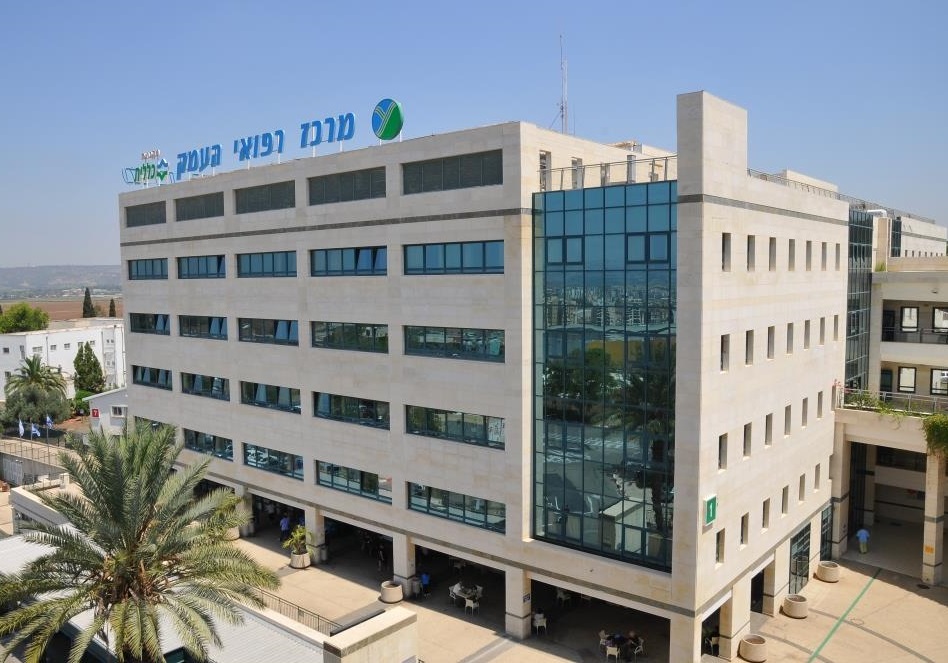
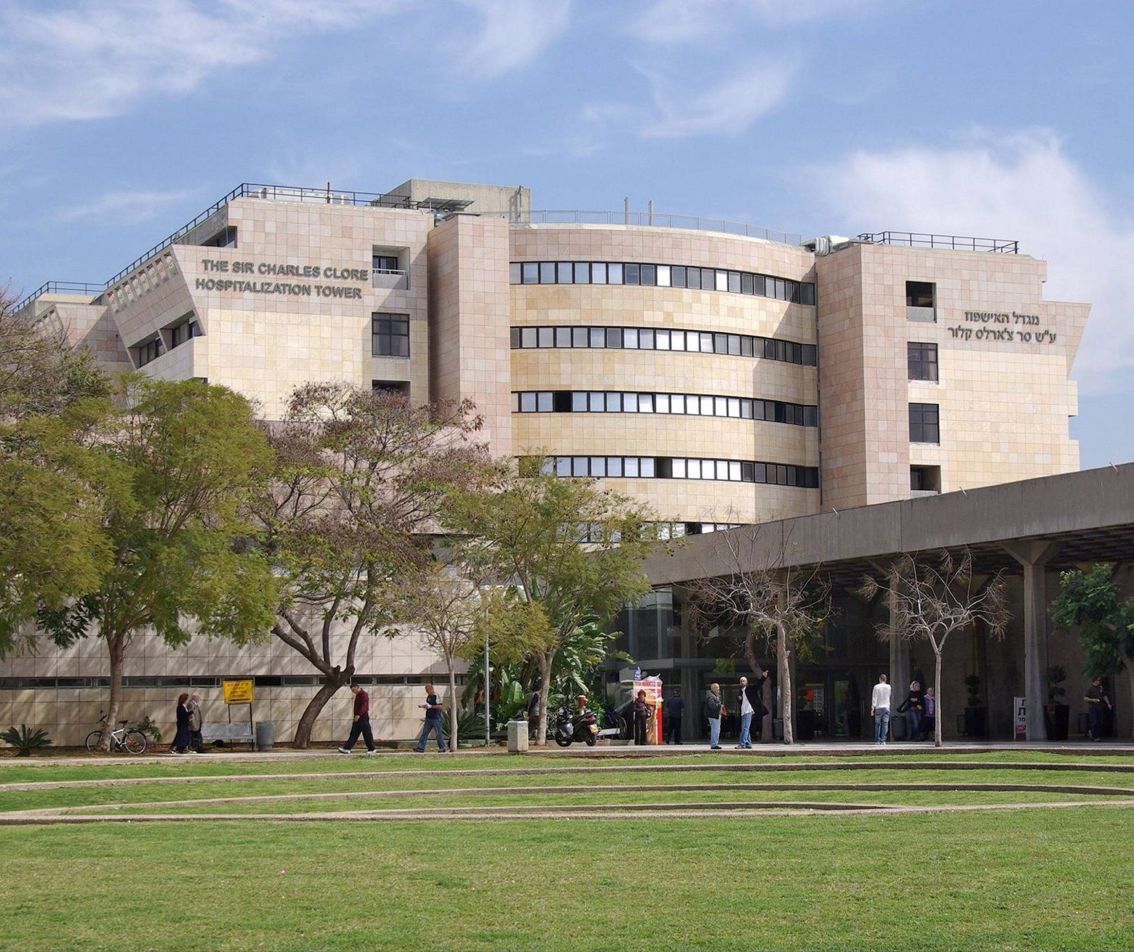
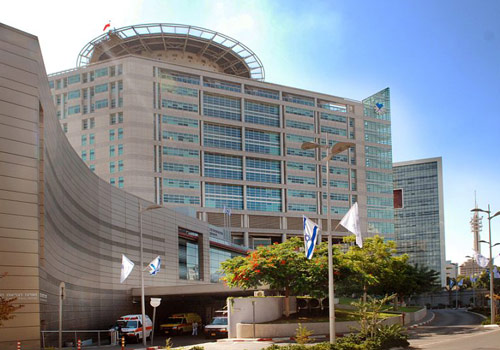
Oncology is a high-tech area of medical care. Israel is exactly the state whose government allocates as much funding for it as is required to obtain the status of one of the best in the world. Treatment there is the most correct decision in a difficult situation.
BK MEDICAL LOGISTIC is a company that will guide you at this crucial moment through all the bureaucratic difficulties. With us, you can be sure of access to the most competent doctors and high-tech equipment. Today's Israeli medicine has made a big breakthrough in the treatment of oncology in general and melanoma (cancer) of the skin, in particular. Israeli clinics accept all patients who are ready to move decisively towards a healthy life.