medical assistant consultation


Burkitt Lymphoma
Burkitt lymphoma is a highly aggressive type of non-Hodgkin lymphoma that originates from B lymphocytes, a type of white blood cell responsible for producing antibodies. Named after Dr. Denis Burkitt, who first described the disease in African children in the 1950s, this cancer is most commonly found in children and young adults. Burkitt lymphoma is notorious for its rapid growth rate, doubling in size within days, making early diagnosis and treatment crucial.
Burkitt lymphoma is strongly associated with the Epstein-Barr virus (EBV), particularly in cases occurring in Africa, where the disease is endemic. However, not all cases of Burkitt lymphoma are linked to EBV; environmental and genetic factors also play a role. The disease is more common in males than females, and while it is relatively rare in Western countries, it remains a significant health concern in certain parts of Africa.
Symptoms of Burkitt lymphoma can vary depending on the subtype and the areas of the body involved. Common symptoms include rapidly growing tumors in the jaw or abdomen, fever, night sweats, unexplained weight loss, and swelling of the lymph nodes. Because Burkitt lymphoma can affect various organs, such as the liver, spleen, and central nervous system, symptoms may also include abdominal pain, nausea, vomiting, or neurological symptoms like seizures and confusion.
Types of Burkitt Lymphoma
Burkitt lymphoma is categorized into three main types, each with distinct characteristics and geographical distribution:
1. Endemic (African) Burkitt Lymphoma:
- This subtype is most common in equatorial Africa and Papua New Guinea, where it is the most prevalent childhood cancer. Endemic Burkitt lymphoma is strongly linked to Epstein-Barr virus (EBV) infection, with more than 95% of cases associated with the virus.
- It typically presents with tumors in the jaw or other facial bones, although it can also involve the kidneys, ovaries, or gastrointestinal tract. Children between the ages of 4 and 7 are most commonly affected.
- The relationship between EBV and malaria is believed to play a role in the high incidence of this subtype, with malaria-induced immune suppression facilitating the development of EBV-related malignancies.
2. Sporadic Burkitt Lymphoma:
- Sporadic Burkitt lymphoma occurs worldwide, including in the United States and Europe, but it is much less common than the endemic form. This subtype is not as closely associated with EBV; only about 15-20% of cases are linked to the virus.
- Unlike endemic Burkitt lymphoma, the sporadic form often presents with tumors in the abdomen, particularly in the ileocecal region (where the small intestine meets the large intestine). Patients may experience symptoms like abdominal pain, distension, and intestinal obstruction.
- Sporadic Burkitt lymphoma can also involve other organs, including the liver, spleen, and central nervous system, leading to a wide range of potential symptoms.
3. Immunodeficiency-Associated Burkitt Lymphoma:
- This subtype is primarily associated with individuals who have compromised immune systems, such as those with HIV/AIDS or organ transplant recipients who are on immunosuppressive therapy. In HIV-positive individuals, Burkitt lymphoma is considered an AIDS-defining illness.
- The tumors in this subtype can occur in various parts of the body, including the lymph nodes, bone marrow, and central nervous system. Patients may present with widespread disease and symptoms related to the involvement of multiple organs.
- While EBV is involved in some cases of immunodeficiency-associated Burkitt lymphoma, the relationship is less clear than in endemic cases. The weakened immune system, rather than EBV alone, is a significant factor in the development of this subtype.
Treatment of Burkitt Lymphoma
Due to its aggressive nature, Burkitt lymphoma requires immediate and intensive treatment. The treatment approach typically involves a combination of chemotherapy, targeted therapy, and supportive care, with the goal of achieving rapid and complete remission.
1. Chemotherapy:
- Chemotherapy is the cornerstone of treatment for Burkitt lymphoma, and it usually involves high-dose, short-course regimens designed to eradicate cancer cells quickly. Common chemotherapy protocols include the CODOX-M/IVAC regimen (Cyclophosphamide, Vincristine, Doxorubicin, Methotrexate/Ifosfamide, Etoposide, Cytarabine) and Hyper-CVAD (Cyclophosphamide, Vincristine, Doxorubicin, Dexamethasone).
- Chemotherapy regimens for Burkitt lymphoma are often more intense than those for other types of lymphoma due to the rapid growth rate of the disease. These regimens require careful monitoring and management of side effects, such as infections, organ toxicity, and bone marrow suppression.
- Because Burkitt lymphoma can spread to the central nervous system (CNS), many treatment protocols include intrathecal chemotherapy (direct injection of drugs into the cerebrospinal fluid) to prevent or treat CNS involvement.
2. Targeted Therapy:
- Targeted therapy has become an increasingly important component of treatment for Burkitt lymphoma. One of the most commonly used targeted therapies is rituximab, a monoclonal antibody that targets the CD20 protein on the surface of B cells, including the malignant B cells in Burkitt lymphoma.
- Rituximab is often combined with chemotherapy to enhance the effectiveness of treatment and improve outcomes. This combination has been shown to increase the rate of complete remission and long-term survival in patients with Burkitt lymphoma.
- Other targeted therapies, such as tyrosine kinase inhibitors or inhibitors of specific signaling pathways, are being studied in clinical trials and may offer additional treatment options in the future.
3. Supportive Care:
- Given the intensity of chemotherapy, supportive care is critical for managing the side effects and complications of treatment. This includes aggressive management of infections, nutritional support, and transfusions as needed.
- Tumor lysis syndrome (TLS), a potentially life-threatening complication, is common in Burkitt lymphoma due to the rapid destruction of cancer cells during treatment. TLS can cause severe electrolyte imbalances and kidney damage, requiring close monitoring and interventions such as hydration, medications to lower uric acid levels, and renal support.
- Supportive care also involves addressing the psychological and emotional needs of patients, particularly children and adolescents, who may experience significant distress during treatment. This can include counseling, support groups, and other resources to help patients and their families cope with the challenges of treatment.
4. Stem Cell Transplantation:
- In some cases, stem cell transplantation may be considered, particularly for patients who relapse after initial treatment or who have refractory disease (disease that does not respond to treatment). Both autologous (using the patient's own stem cells) and allogeneic (using a donor's stem cells) transplants are options, depending on the specific clinical situation.
- Stem cell transplantation is typically reserved for patients with high-risk disease or those who have not achieved a complete remission with chemotherapy and targeted therapy. The decision to proceed with a transplant involves careful consideration of the risks and benefits, as the procedure carries significant risks, including graft-versus-host disease and infections.
5. Follow-Up Care:
- After completing treatment, regular follow-up is essential to monitor for signs of recurrence and manage any long-term side effects of treatment. This includes periodic physical exams, imaging studies, and blood tests.
- Patients who achieve remission are at risk for late effects of treatment, such as secondary cancers, cardiovascular disease, and neurocognitive issues. Long-term follow-up care is critical for early detection and management of these potential complications.
- The outlook for patients with Burkitt lymphoma has improved significantly with advances in treatment, with many patients achieving long-term remission and cure. However, the aggressive nature of the disease and the intensity of treatment require a comprehensive, multidisciplinary approach to care.
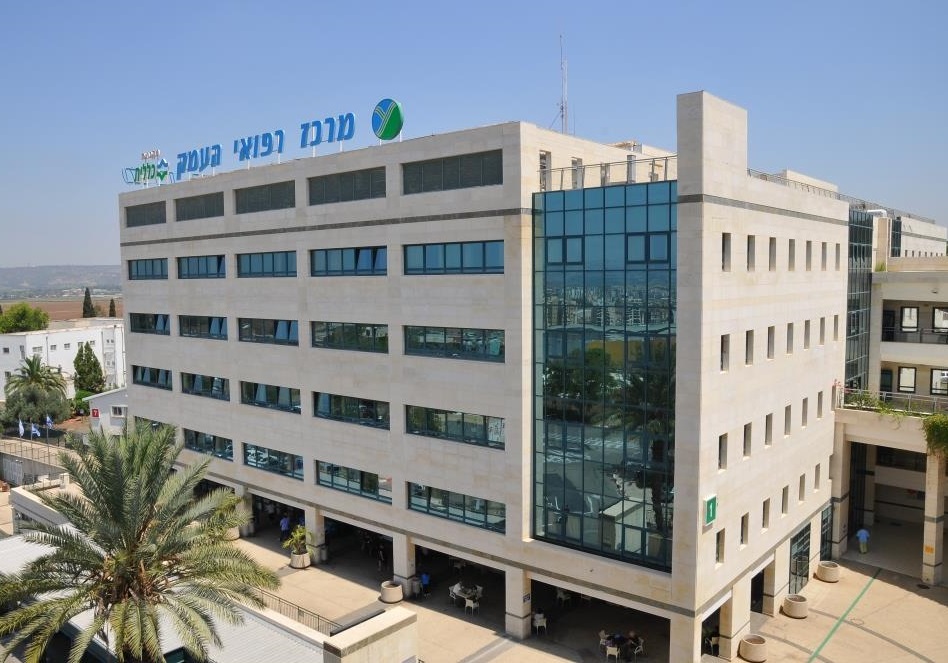
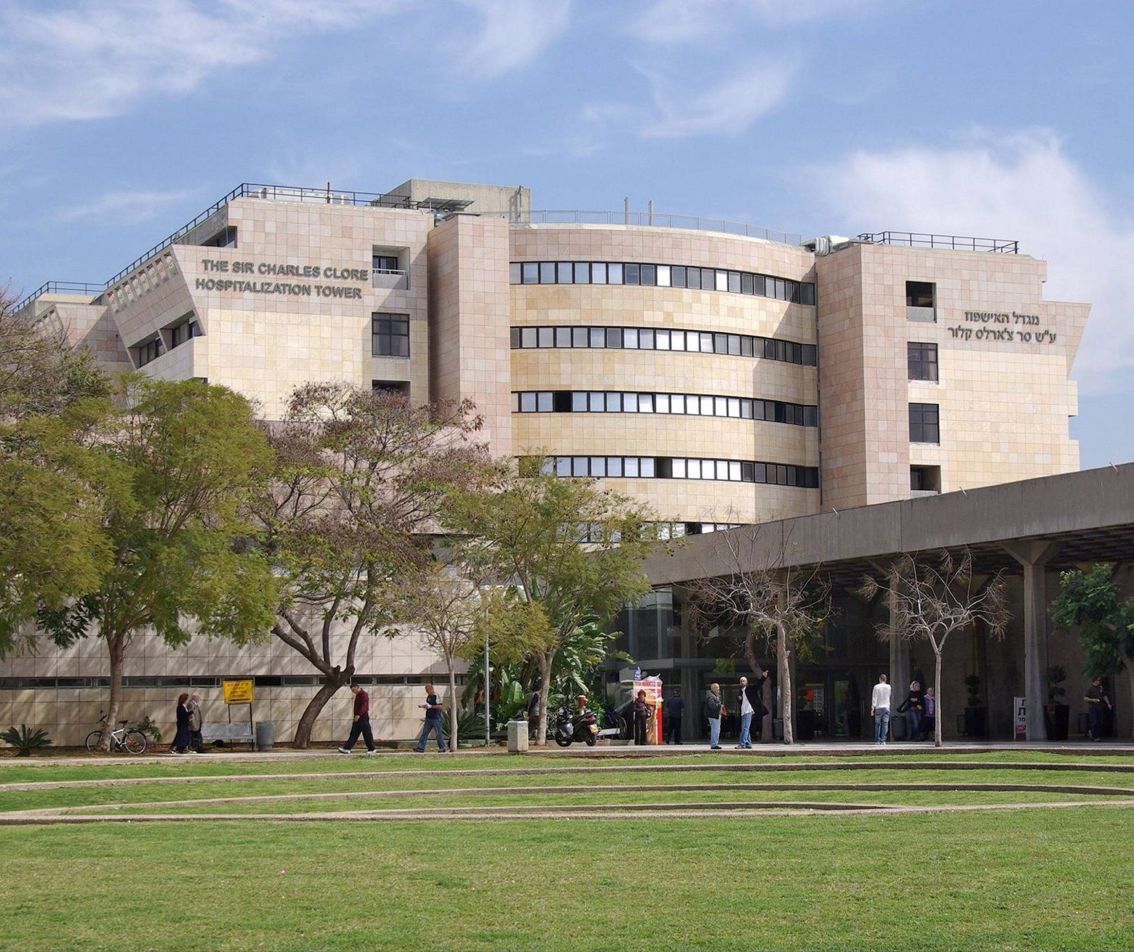
Organization of treatment for Burkitt's lymphoma in Israel with BK MEDICAL LOGISTIC
Treatment in Israel is based on the rapid, accurate detection of malignant tumors in the lymph circulation system, selection of effective ways to combat tumor neoplasms. Regardless of the stage of the tumor disease, Israeli doctors will find a way out in each specific situation, create conditions for a stable long-term remission.
Turning to BK MEDICAL LOGISTIC, you will receive qualified help from the best Israeli doctors in the treatment of aggressive Burkitt's lymphoma in a child, adult, lymphoma in the stomach, Burkitt's tumor stages 1, 2, 3, 4.
BK MEDICAL LOGISTIC provides patients with the opportunity to use innovative methods of diagnosing the disease and undergo effective treatment.