medical assistant consultation


What is sarcoidosis?
Sarcoidosis is a multisystem inflammatory disease characterized by the formation of tiny clusters of inflammatory cells, called granulomas, in various organs of the body. These granulomas can affect any organ, but the lungs and lymph nodes are most commonly affected. The exact cause of sarcoidosis is still unknown, although it is thought to be the result of an abnormal immune response that can be triggered by environmental factors, infections, or genetic predisposition.
Sarcoidosis can have varying degrees of severity. In some cases it goes away on its own without the need for treatment, while in other cases it becomes a chronic and debilitating condition.
Diagnosis of sarcoidosis
Diagnosing sarcoidosis can be difficult because its symptoms often mimic those of other diseases. Doctors usually rely on a combination of the following tools:
History and physical exam: Careful examination of the patient's symptoms and physical signs, such as enlarged lymph nodes or skin lesions.
Visualization tests:
- Chest radiographs and CT scans are commonly used to detect granulomas or other abnormalities in the lungs and lymph nodes.
- MRI or PET scans may be used if other organs such as the brain or heart are involved.
Biopsy: A tissue sample is taken from the affected areas (lungs, skin, lymph nodes) to examine the presence of granulomas under a microscope.
Blood tests: Elevated levels of certain enzymes, calcium, or specific proteins such as angiotensin-converting enzyme (ACE) may indicate sarcoidosis but are not definitive.
Pulmonary function tests: These tests assess the effect of sarcoidosis on pulmonary function, especially in cases where the lungs are affected.
Bronchoscopy: A minimally invasive procedure that involves examining the airways and possibly taking biopsies from the lungs.
Symptoms of sarcoidosis
Sarcoidosis has a wide range of symptoms, depending on the organs affected. Some people may have no symptoms, while others experience severe, debilitating conditions
Common symptoms include:
- Fatigue
- Fever
- Weight loss
- Night sweats
- Pulmonary symptoms:
- Shortness of breath
- Constant dry cough Constant dry cough
- Chest pain
- Skin symptoms:
- Red, raised patches (erythema nodosum)
- Skin lesions
- Eye symptoms:
- Blurred vision
- Eye pain
- Sensitivity to light
- Heart symptoms:
- Irregular heartbeat
- Chest pain
- Fainting
- Nervous system symptoms (in rare cases):
- Seizures
- Facial paralysis
- Weakness or numbness of the limbs
Stages of sarcoidosis
Sarcoidosis is usually categorized into four stages based on chest x-rays that focus on the lung lesions:
- Stage 0: Normal chest x-ray; no obvious lung lesion despite potential systemic symptoms.
- Stage 1: Enlargement of lymph nodes (nuchal and mediastinal) without lung tissue involvement.
- Stage 2: Lymph node enlargement accompanied by granulomas or inflammation in the lung tissue.
- Stage 3: lung lesions without lymph node enlargement, indicating more significant lung disease.
- Stage 4: progressive pulmonary fibrosis (scarring), resulting in permanent damage and difficulty breathing.
Stages do not necessarily reflect the severity or progression of the disease, as sarcoidosis can behave differently in each person
Current treatment for sarcoidosis
Sarcoidosis cannot be cured, but modern treatment strategies aim to eliminate symptoms, reduce inflammation, and prevent organ damage. Treatment may not always be necessary, especially when the disease is mild or goes away on its own.
Corticosteroids:
- First-line drugs, particularly prednisone, are used to reduce inflammation. However, long-term use can cause side effects such as weight gain, diabetes or osteoporosis.
Immunosuppressants:
- Drugs such as methotrexate, azathioprine, or mycophenolate mofetil are used when corticosteroids are ineffective or cause side effects.
Antimalarial drugs:
- Hydroxychloroquine is effective in treating skin lesions and elevated calcium levels caused by sarcoidosis.
TNF inhibitors:
- In severe or refractory cases, tumor necrosis factor (TNF) inhibitors such as infliximab may be prescribed to suppress the immune system.
Organ-specific treatment:
- Inhaled corticosteroids or oxygen therapy may be used for pulmonary sarcoidosis.
- Cardiac sarcoidosis may require pacemakers or implanted defibrillators.
Surgical intervention:
- Extreme cases of organ damage, such as pulmonary fibrosis, may require a lung transplant.
Why choose Israel for sarcoidosis treatment
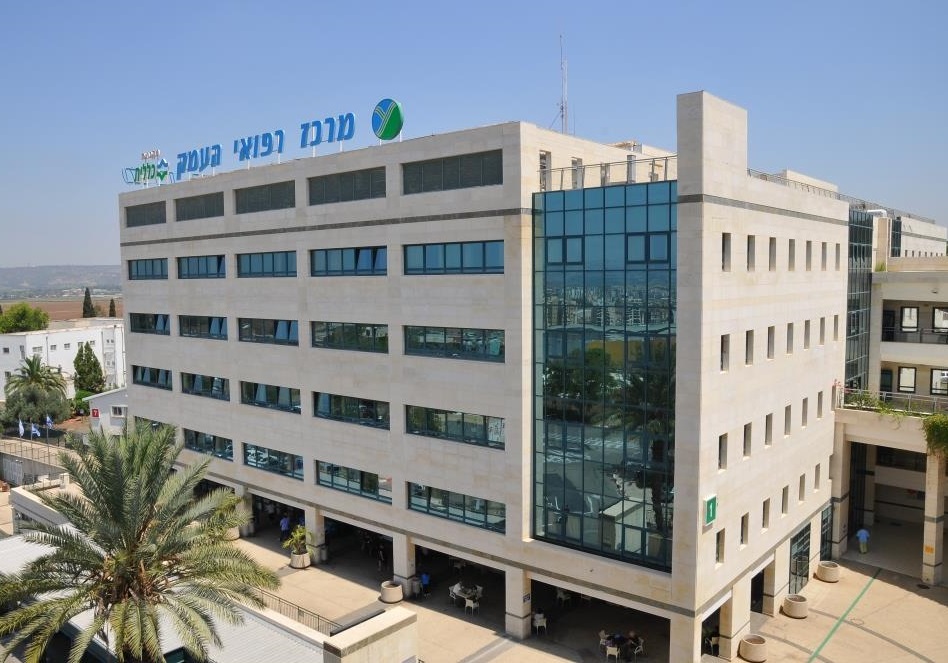
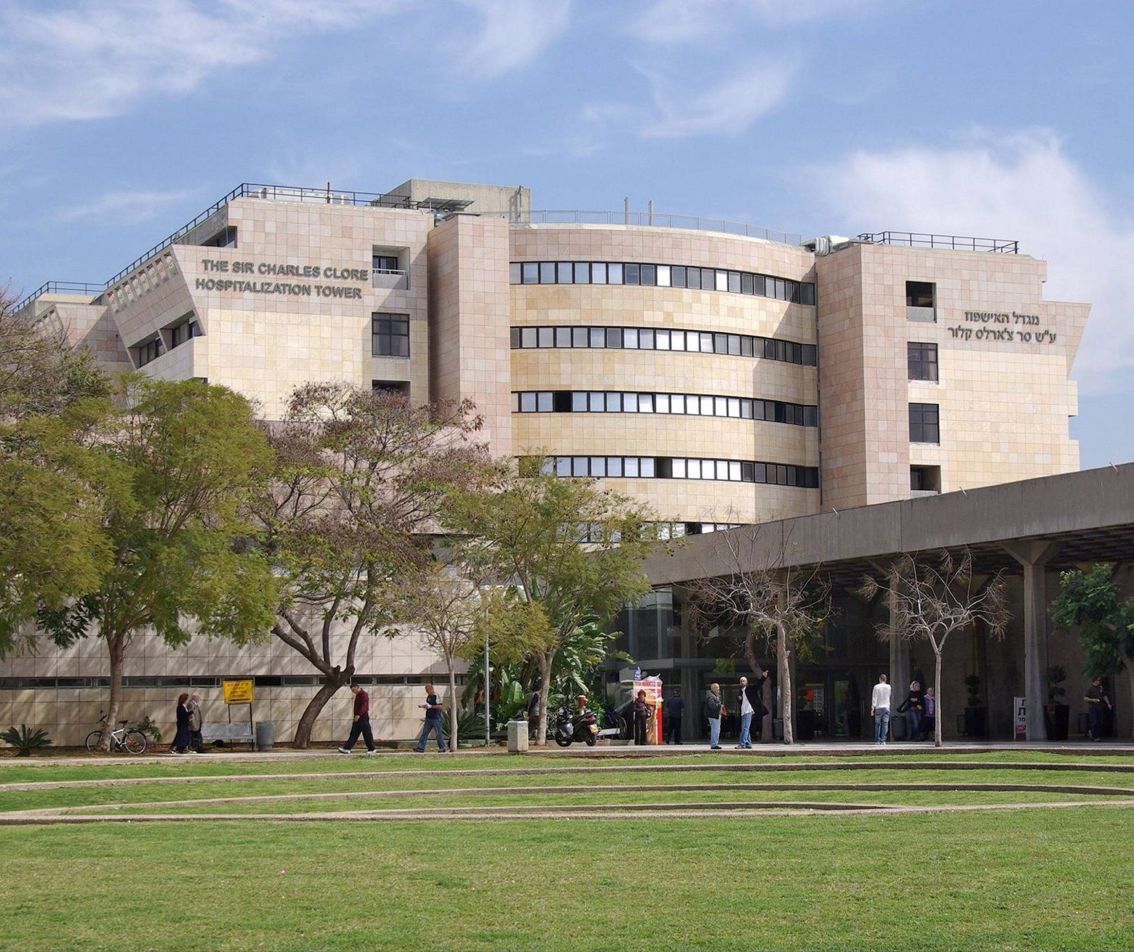
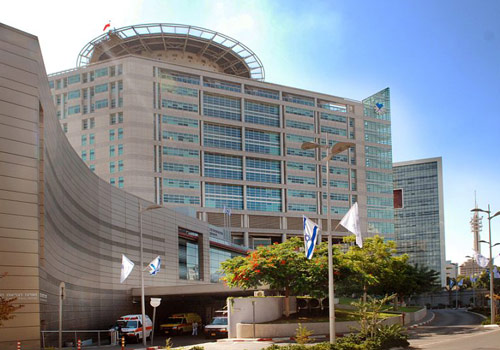
Israel is a world leader in advanced treatments and healthcare innovation, making it an excellent choice for sarcoidosis treatment. Several factors make Israel stand out as a prime location for treatment:
- Multidisciplinary care expertise: Israeli hospitals have teams of pulmonology, cardiology, immunology and rheumatology specialists who collaborate to provide a holistic and personalized treatment plan for sarcoidosis patients.
- Advanced Technology: Medical facilities in Israel are equipped with state-of-the-art imaging, diagnostic and treatment equipment. This ensures accurate diagnosis and access to the latest treatments, such as minimally invasive procedures and targeted immunotherapy.
- Internationally recognized research: Israel is at the forefront of medical research into autoimmune diseases, including sarcoidosis. This means that patients benefit from new and innovative treatments as soon as they become available.
- Patient-centered care: Israeli medical facilities are known for their attention to patient comfort, communication and individualized treatment strategies. Many hospitals offer special services for international patients, ensuring a smooth transition through diagnosis, treatment and follow-up.
- Access to clinical research: Israel offers patients access to cutting-edge clinical research that provides opportunities for new treatments not yet available in other countries.
- Cost-effective treatment: Compared to Western countries such as the US or Europe, Israel provides high quality medical services at lower prices, making it an attractive option for medical tourism.
Diagnosis and treatment options for sarcoidosis in Israel, price of services
Realizing that the possibilities of domestic medicine are far from ideal, more and more Ukrainians decide to use the services of Israeli doctors. Despite the fact that the price of examination and therapy in Israel is higher, but still compared to Europe, the cost of treatment in Tel Aviv is much lower. At the same time, consultation with the best Israeli specialists gives a chance for a quick diagnosis and treatment of sarcoidosis with the most modern drugs.
In pulmonology clinics in Israel, patients are provided with comprehensive services, in addition to examination by a doctor, diagnosis of sarcoidosis includes such procedures as:
- X-ray;
- MRI;
- CT SCAN;
- bronchoscopy;
- biopsy and histologic examination of tissues;
- blood tests;
- pleural puncture;
- Quaym's test.
In this case, all diagnostic studies the patient will undergo in one clinic in the shortest possible time. After diagnosis, the doctor makes a therapeutic course, which is based on the most modern techniques and the most effective drugs available today.
In the case of terminal sarcoidosis, accompanied by severe irreversible impairment of respiratory function, resort to surgical intervention. At the service of Israeli surgeons - the most modern equipment, which allows to carry out manipulations with minimal damage to healthy tissues.
The cost of treatment of sarcoidosis in Israel
Despite the fact that medicine in Israel is recognized as one of the most developed in the world, the cost of services in clinics in Tel Aviv and other cities of the country is much lower than in Europe. Therefore, if you refused the idea of diagnosis and treatment in an Israeli clinic because of high prices, you made a mistake. Our company, which is an intermediary between patients from Ukraine and doctors in Israel, is ready to choose a clinic, the prices of which will be the most acceptable for you. The price of sarcoidosis treatment in Israel depends on the stage of the disease, the general condition of the patient's body and the drugs used.