medical assistant consultation


What is Lissencephaly?
Lissencephaly is a rare congenital brain malformation characterized by the lack of normal folds (gyri) and grooves (sulci) on the brain’s surface. The name "lissencephaly" is derived from the Greek words "lissos," meaning smooth, and "encephalos," meaning brain, so it is often referred to as "smooth brain." It is caused by abnormal neuronal migration during early brain development, particularly between the 12th and 24th weeks of gestation.
Lissencephaly is typically divided into two primary types:
- Classical Lissencephaly: This form usually presents with a thickened cortex and fewer or no brain folds.
- Cobblestone Lissencephaly: In this form, the brain surface appears bumpy or "cobblestone-like" due to excessive neuronal migration.
Causes
The condition is most commonly caused by genetic mutations or abnormalities in the genes responsible for guiding neuronal migration, such as the LIS1, DCX, or RELN genes. Certain viral infections during pregnancy (e.g., cytomegalovirus) and prenatal exposure to toxins can also contribute to its development.
Diagnosis of Lissencephaly
Prenatal Diagnosis
Lissencephaly can sometimes be diagnosed during pregnancy through advanced imaging techniques, such as fetal ultrasound and magnetic resonance imaging (MRI). However, these methods are most effective after the second trimester when brain folds should typically start developing.
- Genetic Testing: If there is a family history of lissencephaly or if a fetus is suspected of having the disorder, prenatal genetic testing can be conducted to look for mutations in the relevant genes.
Postnatal Diagnosis
Once the child is born, the diagnosis of lissencephaly is usually confirmed using:
- MRI: This is the most definitive imaging technique for diagnosing lissencephaly. It provides a clear image of the brain structure, including the absence of gyri and sulci.
- CT Scans: While less detailed than MRI, a computed tomography (CT) scan may also show the smooth surface of the brain.
- Genetic Testing: Blood tests can be performed to confirm the presence of genetic mutations associated with the disorder.
Symptoms of Lissencephaly
- The symptoms of lissencephaly vary depending on the severity of the condition but often include:
- Developmental Delays: Children with lissencephaly generally experience significant delays in reaching developmental milestones such as sitting, walking, or talking.
- Seizures: Seizures are a common symptom, often starting in infancy. Some children may develop a severe form of epilepsy called infantile spasms.
- Muscle Weakness and Stiffness: Many individuals exhibit hypotonia (low muscle tone) or hypertonia (increased muscle tone), which can affect movement and coordination.
- Feeding and Swallowing Difficulties: Due to poor muscle control, feeding can become a challenge, often requiring assistance with feeding tubes.
- Intellectual Disability: Cognitive impairment ranges from mild to profound, with most individuals exhibiting significant intellectual disabilities.
- Microcephaly: In many cases, the head may be smaller than normal (microcephaly).
Modern Treatment of Lissencephaly
Currently, there is no cure for lissencephaly. Treatment focuses on managing symptoms, improving quality of life, and preventing complications. The modern approach to treatment includes:
Medications
- Antiepileptic Drugs (AEDs): Since seizures are a prevalent symptom, anticonvulsants like levetiracetam, valproic acid, and lamotrigine are commonly prescribed to control seizure activity.
Physical and Occupational Therapy
- Physical Therapy: This helps improve muscle tone, motor skills, and overall movement.
- Occupational Therapy: Aimed at improving fine motor skills and helping children develop independence in daily activities.
Speech and Feeding Therapy
- Speech Therapy: Helps develop communication skills and, in some cases, assists with feeding difficulties.
- Feeding Assistance: Special feeding techniques or feeding tubes may be required to ensure proper nutrition and prevent aspiration.
Surgical Interventions
- Vagus Nerve Stimulation (VNS): In cases of drug-resistant epilepsy, VNS therapy may be used to reduce the frequency of seizures.
- Gastrostomy Tube: For children with severe feeding difficulties, a gastrostomy tube may be surgically inserted to deliver nutrition directly to the stomach.
Supportive Care
Children with lissencephaly often require a multi-disciplinary team approach that includes neurologists, physiotherapists, and speech therapists. The goal is to maximize the child’s abilities and quality of life while managing symptoms.
Why Choose Israel for Lissencephaly Treatment?
Israel has become a global hub for advanced neurological care, attracting patients from around the world for the treatment of complex neurological disorders, including lissencephaly. Here’s why:
Cutting-Edge Medical Technology
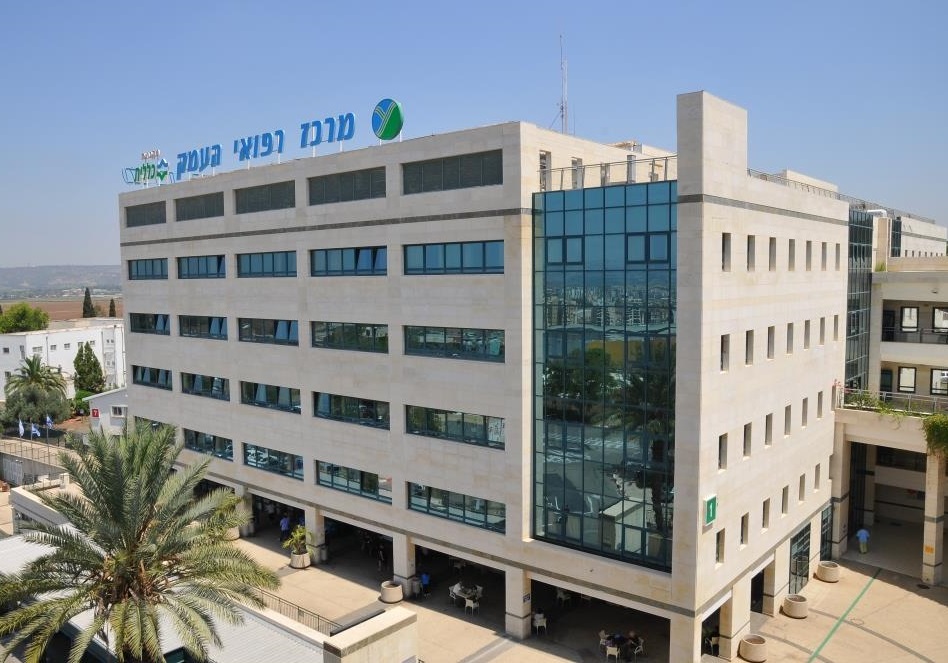
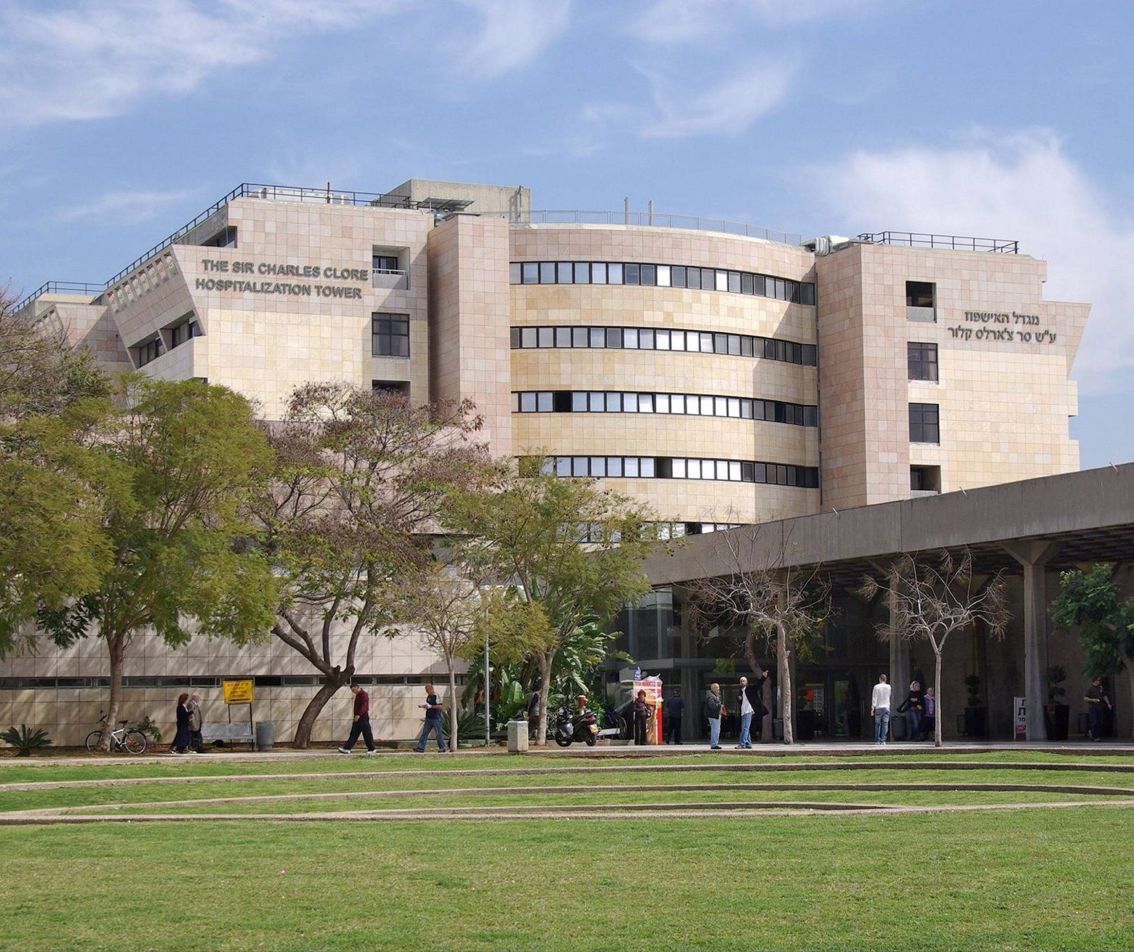
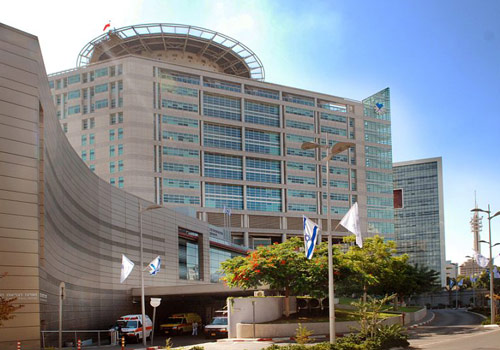
Israel is renowned for its state-of-the-art medical facilities and use of the most advanced medical technologies. Hospitals like Sheba Medical Center, Rambam Health Care Campus, and Hadassah Medical Center offer world-class diagnostic and therapeutic services. These institutions are equipped with cutting-edge MRI and CT scanners and offer the latest in minimally invasive surgical techniques.
Expert Medical Staff
Israel is home to some of the world’s leading neurologists, neurosurgeons, and pediatric specialists who have significant experience in treating rare neurological disorders like lissencephaly. Many physicians are involved in cutting-edge research, meaning that patients often have access to experimental treatments and clinical trials not available elsewhere.
Holistic Approach to Care
Israeli hospitals are known for their multi-disciplinary treatment plans, offering not just medical interventions but also comprehensive rehabilitation services, including physical therapy, speech therapy, and psychological support for both the patient and family.
Personalized and Family-Centered Care
Israeli medical centers provide tailored treatment plans based on the specific needs of each child, which may include special education resources, home care services, and counseling for families. This patient-centric approach ensures that every aspect of the patient’s life is considered.
World-Leading Research in Genetics and Neurology
Israel is at the forefront of genetic research, especially concerning conditions like lissencephaly, which are caused by genetic mutations. The country’s researchers are continually making breakthroughs in understanding the molecular mechanisms behind neuronal migration disorders, which could lead to better treatments in the future.
Affordability and Accessibility
Compared to other leading medical destinations, treatment in Israel is relatively cost-effective while maintaining the highest standards of care. Additionally, Israel’s medical tourism services are well-organized, offering easy access to medical care for international patients.