medical assistant consultation


What is pediatric liver cancer?
Pediatric liver cancer is a rare but serious disease in which malignant cells form in the liver tissue. The liver is a vital organ responsible for functions such as filtering toxins from the blood, producing proteins, and aiding in digestion. When cancer develops in the liver, it can disrupt these processes, creating significant health risks.
There are two main types of liver cancer in children:
- Hepatoblastoma: This is the most common type of liver cancer in children and is usually found in infants and young children under the age of five. It usually appears as a single tumor in the liver and rarely spreads to other parts of the body. Hepatoblastoma has a high cure rate if detected early and treated effectively.
- Hepatocellular carcinoma (HCC): more common in adults, HCC can also occur in older children and adolescents. It is more aggressive than hepatoblastoma and often presents with multiple tumors in the liver. HCC is more difficult to treat and is often associated with underlying liver disease such as cirrhosis or hepatitis.
Diagnosis of liver cancer in children
Diagnosis of pediatric liver cancer begins with a combination of history, physical examination, and advanced diagnostic techniques. Early detection is critical for successful treatment. The diagnostic process typically involves the following steps:
Physical examination and history
The first step in diagnosis is a thorough history taking and physical examination. A pediatric oncologist or hepatologist will review any symptoms the child is experiencing as well as family medical history to assess risk factors. During the physical exam, the doctor may palpate the abdomen to check for lumps, swelling, or soreness in the liver area.
Blood tests
Blood tests play an important role in diagnosing liver cancer. One important marker of hepatoblastoma is alpha-fetoprotein (AFP), a protein that is normally produced by the liver and yolk sac during intrauterine development. Elevated levels of AFP in a child's blood may indicate the presence of liver cancer, especially hepatoblastoma.
Other blood tests may be done to assess liver function, general health, and detect other abnormalities.
Imaging studies
Imaging tests are needed to visualize the liver and determine the size and location of the tumor. Common imaging techniques include:
- Ultrasound: a non-invasive test that is often used first to detect abnormalities in the liver.
- CT (computed tomography) scan: provides detailed images of the liver and surrounding tissues, allowing doctors to assess the size, shape, and spread of the tumor.
- MRI (magnetic resonance imaging): provides high-resolution images and can differentiate between benign and malignant tumors, as well as evaluate blood vessels in and around the liver.
Biopsy
In some cases, a biopsy may be required to confirm the diagnosis. A small sample of tumor tissue is removed and examined by a pathologist under a microscope. This helps identify the specific type of liver cancer and determine treatment options.
Genetic testing
Some liver cancers, particularly hepatoblastoma, may be associated with certain genetic syndromes, such as Beckwith-Wiedemann syndrome. Genetic testing can help identify these links and provide valuable information for treatment planning.
Symptoms of liver cancer in children
Symptoms of liver cancer in children can vary depending on the size and location of the tumor. In the early stages, liver cancer may not cause noticeable symptoms, but as the tumor grows, certain signs and symptoms may become more obvious. Common symptoms include:
- Abdominal bloating or mass: a large hard mass can be felt in the upper right side of the abdomen where the liver is located. This is often one of the first signs of liver cancer.
- Abdominal pain: the child may experience abdominal discomfort or pain that may be constant or get worse over time.
- Loss of appetite and weight loss: children with liver cancer may lose interest in food, resulting in unexplained weight loss.
- Nausea and vomiting: digestive problems such as nausea and vomiting are common in liver cancer because of the tumor's effect on liver function.
- Jaundice. Yellowing of the skin and eyes, known as jaundice, can occur when the tumor clogs the bile ducts, preventing the liver from properly processing bilirubin.
- Fatigue. Chronic fatigue or weakness can result from the body's inability to produce enough energy as liver function deteriorates.
- Fever. Some children with liver cancer may have a subfebrile fever.
- Pale stools and dark urine: these symptoms occur when the liver cannot properly process waste products, resulting in discolored stools and urine.
Stages of liver cancer in children
Staging helps doctors determine the extent of the cancer and determine treatment options.Liver Stages withCancer in children generally follows the PRETEXT (Before Treatment) system, which is specific to liver tumors and divides the liver into four sectors. Stages are categorized as follows:
Stage I
- The tumor is localized in one sector of the liver and can be completely removed surgically. The prognosis at this stage is usually excellent.
Stage II
- The tumor affects two sectors of the liver but can still be surgically removed. Small traces of the tumor may remain in the liver or surrounding tissues after surgery.
Stage III
- The tumor has spread to three or more sectors of the liver or nearby lymph nodes. It cannot be completely removed by surgery. Treatment usually includes chemotherapy to shrink the tumor before surgery.
Stage IV
- The cancer has spread (metastasized) to distant organs, such as the lungs. Stage IV liver cancer requires aggressive treatment, including chemotherapy and surgery, but the prognosis is more reserved.
Treatment options for pediatric liver cancer
Treatment for pediatric liver cancer depends on the type, stage and localization of the cancer, as well as the child's overall health. A multidisciplinary team of pediatric oncologists, hepatologists, and surgeons usually develops an individualized treatment plan. Common treatments include:
Surgery
Surgical removal of the tumor is the primary treatment for pediatric liver cancer, especially in cases of hepatoblastoma. The goal of surgery is to remove as much of the cancerous tissue as possible. In early stage liver cancer, complete tumor resection can result in a high cure rate.
- Partial hepatectomy: involves removing the part of the liver that contains the tumor. This is possible when the cancer is limited to one or two sectors of the liver.
- Liver transplant: if the tumor cannot be surgically removed or takes over a large portion of the liver, a liver transplant may be required. This is especially common in children with advanced hepatoblastoma.
Chemotherapy
Chemotherapy is often used in combination with surgery to treat liver cancer. It may be given before surgery (neoadjuvant chemotherapy) to shrink the tumor, making it easier to remove, or after surgery (adjuvant chemotherapy) to eliminate any remaining cancer cells. Common chemotherapy drugs for pediatric liver cancer include cisplatin, vincristine, and fluorouracil.
Radiotherapy
Radiation therapy uses high-energy rays to target and destroy cancer cells. Although it is not usually used for liver cancer, it may be an option when the tumor cannot be completely removed by surgery. Radiation can also help manage symptoms and reduce the size of metastatic tumors.
Targeted therapy
Targeted therapy involves the use of drugs that target cancer cells, minimizing damage to healthy tissue. This treatment option is still being investigated for pediatric liver cancer, but it may be considered during clinical trials or in advanced cases.
Immunotherapy
Immunotherapy aims to boost the body's immune system to fight cancer. It is still a new method of treating pediatric liver cancer, but is promising in some cases.
Why choose Israel for pediatric liver cancer treatment
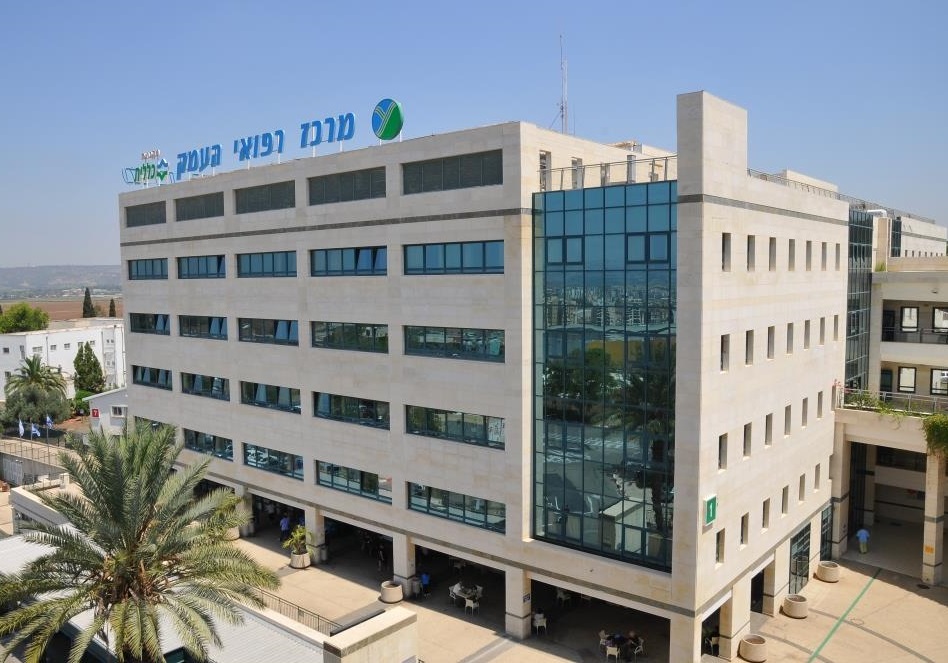
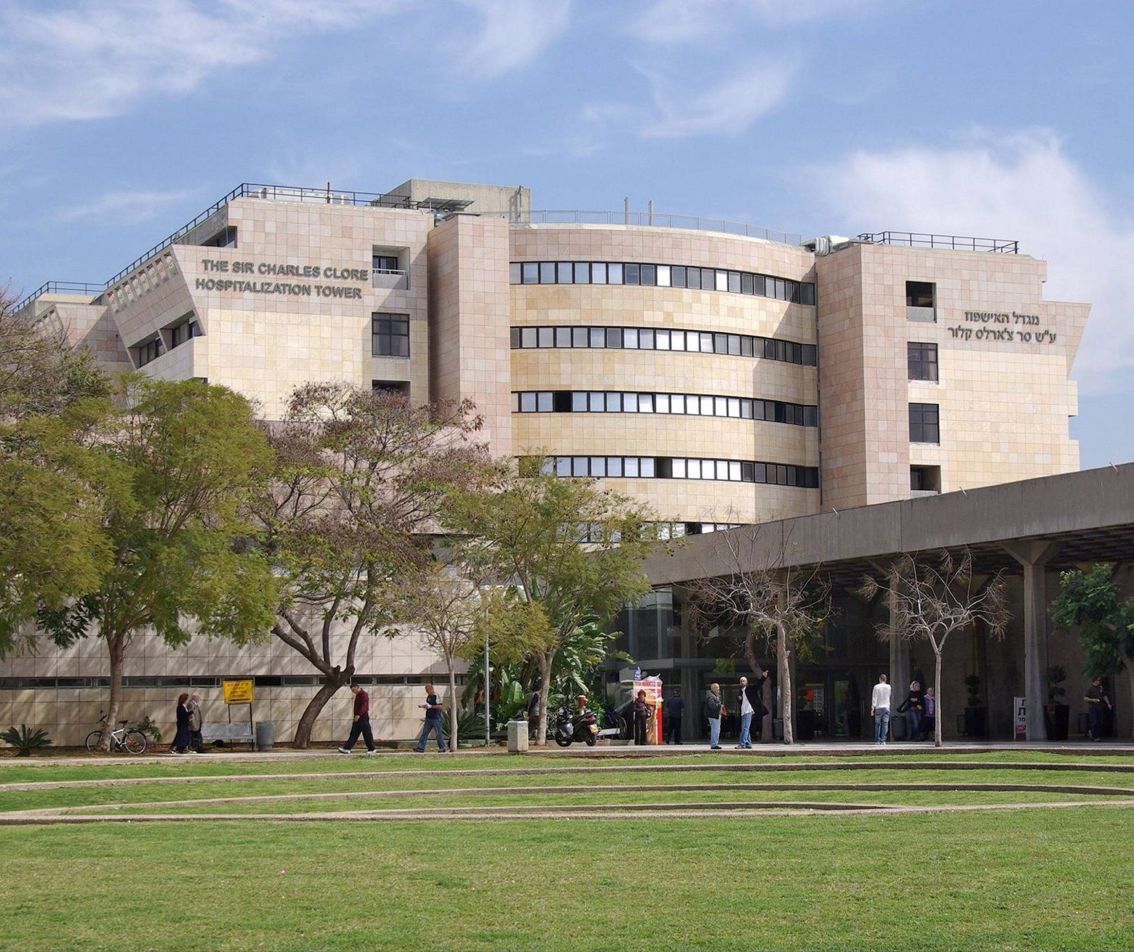
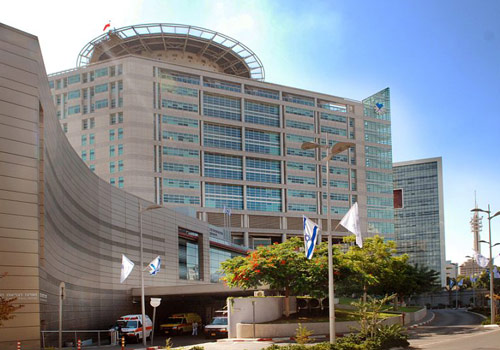
Israel is the leading destination for pediatric cancer treatment, offering state-of-the-art treatment and access to innovative therapies. Families from around the world seek treatment in Israel for several reasons:
World-class pediatric oncology specialists
Israel is home to some of the most skilled and experienced pediatric oncologists, hepatologists and surgeons in the world. These specialists are at the forefront of pediatric liver cancer research and treatment, providing expert care for children with complex diseases such as hepatoblastoma and hepatocellular carcinoma.
State-of-the-art medical facilities
Israeli hospitals are equipped with advanced diagnostic and treatment technologies, including high-resolution imaging, precise surgical tools and innovative treatments such as proton therapy and immunotherapy. These facilities ensure that children receive the most advanced care available.
Multidisciplinary approach
In Israel, pediatric liver cancer treatment involves a comprehensive multidisciplinary approach. A team of experts, including pediatric oncologists, surgeons, radiologists and pathologists, collaborate to create individualized treatment plans tailored to each child's unique needs.
Liver Transplant Expertise
Israel has one of the world's most successful pediatric liver transplant programs. For children with liver cancer in need of a transplant, Israeli surgeons are known for their expertise in performing successful liver transplants, offering hope for long-term survival.
Clinical trials and research
Israel is a center of medical research and innovation. Patients in Israeli hospitals often have access to cutting-edge clinical trials and experimental treatments that may not be available elsewhere. This gives families the opportunity to explore new and potentially more effective treatment options for their child.