medical assistant consultation


What is Craniostenosis (Craniosynostosis)?
Craniostenosis, more commonly referred to as craniosynostosis, is a congenital disorder characterized by the premature fusion of one or more of the sutures in a baby’s skull. These sutures are flexible joints that allow for skull growth during infancy and childhood. When they close prematurely, it results in an abnormal head shape and can hinder normal brain development, increasing the risk of intracranial pressure and related neurological issues.
The human skull consists of several plates connected by sutures, allowing the skull to expand as the brain grows. When one or more of these sutures fuse too early, the skull cannot grow in the typical manner, leading to deformities in head shape, and sometimes, cognitive impairment. If left untreated, craniosynostosis can cause developmental delays, intellectual disabilities, and vision problems.
Types of Craniostenosis (Craniosynostosis)
There are several types of craniosynostosis, each categorized based on the suture(s) affected. These include:
Sagittal Synostosis (Scaphocephaly)
This is the most common type of craniosynostosis, occurring when the sagittal suture (which runs from the front to the back of the skull) fuses prematurely. The result is a long, narrow head shape called scaphocephaly. This type usually doesn’t impact brain development significantly but alters the shape of the head considerably.
Coronal Synostosis (Anterior Plagiocephaly)
This occurs when one or both of the coronal sutures (which extend from each ear to the top of the skull) fuse too early. It leads to an asymmetrical skull, where one side of the forehead is flattened, a condition called anterior plagiocephaly. Bilateral coronal synostosis results in brachycephaly, where the head is shortened and widened.
Metopic Synostosis (Trigonocephaly)
This type affects the metopic suture, which runs from the nose to the top of the forehead. Premature fusion of this suture causes a pointed, triangular-shaped forehead, a condition known as trigonocephaly. In some cases, this can also lead to developmental issues.
Lambdoid Synostosis
This rare form of craniosynostosis affects the lambdoid suture at the back of the head, causing flattening of one side of the skull. Lambdoid synostosis is often confused with positional plagiocephaly, which is a non-synostotic condition that occurs when a baby consistently lies in one position.
Methods of Treatment of Craniostenosis
The treatment for craniosynostosis depends on several factors, including the type of synostosis, the age of the child, and whether there are any associated syndromes. In most cases, treatment involves surgery to correct the shape of the skull, relieve pressure on the brain, and allow for normal growth.
Observation
In very mild cases or when craniosynostosis involves only one suture and isn’t causing increased intracranial pressure or developmental delays, observation may be an option. This involves regular monitoring of the child’s development, head growth, and neurological function. Non-surgical options like helmets may be recommended to reshape the skull in some mild cases.
Surgical Intervention
Surgery is the primary treatment for craniosynostosis, particularly in cases where the head shape is significantly affected or there are signs of increased intracranial pressure. Surgery not only reshapes the skull but also allows the brain to grow properly.
In most cases, surgery is done before the child reaches one year of age to maximize the benefits and minimize risks. The earlier the surgery is performed, the better the outcome in terms of skull shape and cognitive development.
Surgery for Craniostenosis (Craniosynostosis)
Traditional Open Surgery
Open surgery for craniosynostosis involves making an incision across the scalp, removing the fused suture(s), and reshaping the skull bones. The bones are then repositioned in a more natural shape, and dissolvable plates or screws may be used to hold them in place. This surgery usually takes several hours and is followed by a hospital stay for recovery.
Open surgery is typically recommended for more complex cases or when multiple sutures are involved. While it requires a longer recovery time, it offers a highly effective way to correct the abnormal head shape.
Minimally Invasive Endoscopic Surgery
Endoscopic surgery is a less invasive option that can be performed in select cases of craniosynostosis, especially when diagnosed early (before 6 months of age). Through small incisions, the surgeon uses an endoscope to release the fused suture. This procedure has shorter recovery times and less blood loss compared to open surgery.
Postoperatively, children usually need to wear a helmet to help guide the skull's growth into a more normal shape. Endoscopic surgery is ideal for early diagnosis but may not be suitable for all types of craniosynostosis.
Craniostenosis in Children
Craniosynostosis predominantly affects children, as it is a congenital condition. The earlier the diagnosis, the better the outcome. Newborns typically present with abnormal head shapes, prompting further investigation via physical examination and imaging studies, such as CT scans or X-rays.
If not treated early, children with craniosynostosis can face several complications:
- Increased Intracranial Pressure: Premature fusion of the sutures can limit brain growth, leading to elevated pressure inside the skull, which can result in headaches, vomiting, irritability, or even vision problems.
- Developmental Delays: Some children may exhibit developmental delays, particularly if multiple sutures are affected or if the craniosynostosis is associated with a genetic syndrome.
- Psychosocial Impact: In some cases, children may experience social challenges due to the abnormal head shape, which can affect self-esteem and social interactions.
For the best outcomes, early diagnosis and timely surgical intervention are crucial. Pediatricians often refer children to a craniofacial specialist if craniosynostosis is suspected.
Why You Should Choose Israel for the Treatment of Craniostenosis
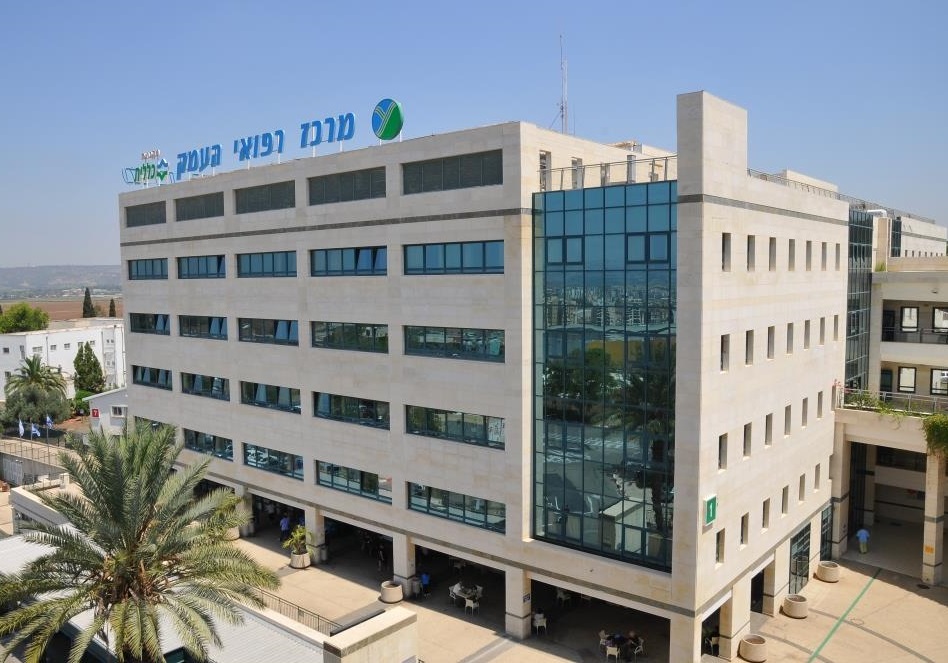
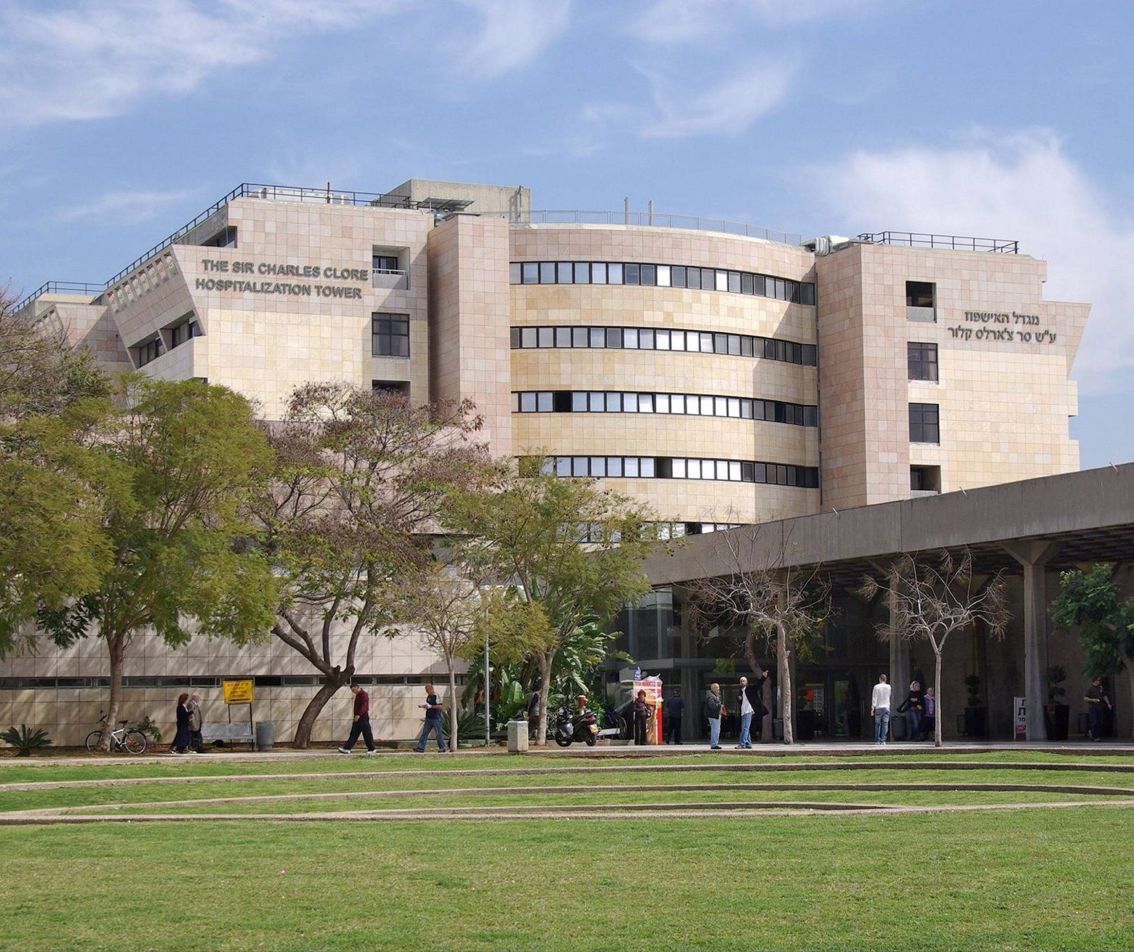
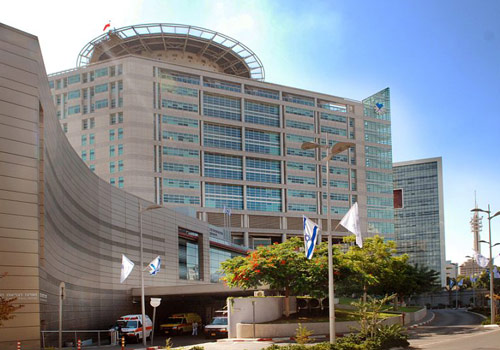
Israel is renowned for its world-class medical facilities, advanced technology, and highly skilled surgeons, making it an excellent choice for treating craniosynostosis. Several factors set Israel apart as a destination for medical treatment:
Expertise in Craniofacial Surgery
Israeli hospitals are home to some of the world's leading craniofacial surgeons, with extensive experience in both traditional and minimally invasive techniques for craniosynostosis. Surgeons in Israel are highly trained in the latest methods, offering a blend of expertise and innovation.
State-of-the-Art Technology
Israeli hospitals are equipped with cutting-edge diagnostic and surgical technologies, ensuring precise diagnosis and treatment. 3D imaging, for instance, allows for detailed planning of surgical procedures, leading to more accurate outcomes and reduced risk.
Multidisciplinary Teams
Israeli healthcare teams consist of craniofacial surgeons, pediatric neurosurgeons, geneticists, and other specialists who collaborate to provide comprehensive care. This multidisciplinary approach ensures that children with craniosynostosis receive personalized and holistic treatment.
High Success Rates
With years of experience and access to advanced tools, Israeli surgeons achieve high success rates in correcting craniosynostosis. Post-surgical outcomes in Israel are generally excellent, with children typically recovering quickly and showing significant improvements in head shape and cognitive development.
Cost-Effective Healthcare
Compared to many Western countries, Israel offers high-quality medical care at a more affordable cost, making it a popular destination for international patients. Families from across the globe travel to Israel for expert craniosynostosis treatment without the exorbitant price tags associated with similar care in countries like the U.S. or U.K.
Support for International Patients
Israel’s hospitals provide services specifically designed for international patients, including language support, visa assistance, and coordination of care. This ensures that families receive seamless care from the moment they arrive in the country.