medical assistant consultation


What is Acute Myeloblastic Leukemia (AML)?
Acute myeloblastic leukemia (AML), also known as acute myeloid leukemia, is a fast-growing cancer of the blood and bone marrow. AML arises from the uncontrolled proliferation of myeloid precursor cells, leading to an accumulation of immature cells called myeloblasts. These abnormal myeloblasts crowd out normal blood-forming cells, resulting in deficiencies in healthy white blood cells, red blood cells, and platelets. AML progresses quickly and, if left untreated, can be fatal within months.
AML affects people of all ages but is more common in adults, particularly those over 65 years of age. It is the most common type of acute leukemia in adults.
Causes and Risk Factors
AML has no single cause, but certain genetic mutations and environmental factors increase the risk. Known risk factors include:
- Genetic predisposition: Conditions like Down syndrome or certain inherited syndromes increase susceptibility.
- Exposure to radiation or toxic chemicals: Long-term exposure to chemicals such as benzene and previous radiation therapy can raise AML risk.
- Previous chemotherapy: Certain chemotherapy drugs can lead to secondary AML.
- Smoking: Tobacco use has been linked to a higher incidence of AML.
Diagnosis of Acute Myeloblastic Leukemia
The diagnosis of AML typically involves a combination of physical examinations, laboratory tests, and imaging studies. The following methods are essential for confirming AML:
Blood Tests
- Complete Blood Count (CBC): This test measures the levels of white blood cells, red blood cells, and platelets. In AML, there are often low red blood cell and platelet counts, along with an unusually high or low number of white blood cells.
- Peripheral Blood Smear: A blood sample is examined under a microscope to look for abnormal cells such as myeloblasts.
Bone Marrow Biopsy
A bone marrow biopsy is the definitive test for AML. A small sample of bone marrow, typically taken from the hip bone, is examined to determine the presence and percentage of myeloblasts. In AML, more than 20% of the cells in the bone marrow are immature myeloblasts.
Genetic and Molecular Testing
- Cytogenetics: This test identifies specific chromosomal changes in leukemia cells, which can help determine the prognosis and guide treatment options.
- Molecular Testing: Tests for mutations in genes like FLT3, NPM1, and CEBPA provide important information on disease subtype and help predict how the leukemia might respond to treatment.
Imaging Tests
- CT scans, X-rays, or MRI: These imaging techniques may be used to assess whether the leukemia has spread to other parts of the body or to identify related complications.
Symptoms of Acute Myeloblastic Leukemia
Symptoms of AML can develop rapidly over days to weeks. Common symptoms include:
- Fatigue and Weakness: Due to anemia (low red blood cell count), patients often experience extreme tiredness and lack of energy.
- Frequent Infections: A low white blood cell count (neutropenia) makes patients more susceptible to infections, such as pneumonia or skin infections.
- Bruising or Bleeding: AML can cause thrombocytopenia (low platelet count), leading to easy bruising, frequent nosebleeds, bleeding gums, or heavy menstrual periods.
- Bone and Joint Pain: Accumulation of leukemia cells in the bone marrow can cause bone pain or tenderness.
- Shortness of Breath: Anemia and other complications may result in difficulty breathing during minimal exertion.
- Swollen Lymph Nodes or Enlarged Spleen/Liver: Some patients experience a swollen abdomen due to the enlargement of organs like the spleen or liver, which are affected by the spread of leukemia cells.
Stages of Acute Myeloblastic Leukemia
Unlike solid tumors, AML does not have clear "stages" like cancers of the breast or lung. Instead, AML is classified based on specific subtypes, which influence prognosis and treatment decisions. The classification of AML is based on the World Health Organization (WHO) system, which takes into account:
- Cytogenetic and molecular abnormalities
- Age of the patient
- Extent of disease progression
AML is generally considered to be in one of the following stages based on the patient’s response to treatment:
- Newly Diagnosed: AML is detected and has not yet been treated beyond supportive care (e.g., transfusions).
- Remission: Following treatment, no leukemia cells are detectable in the blood or bone marrow, and blood counts return to normal.
- Refractory: AML does not respond to initial treatment or relapses within six months of remission.
- Relapsed: AML returns after achieving remission.
Modern Treatment of Acute Myeloblastic Leukemia
Treatment for AML has evolved significantly over the years, focusing on eradicating leukemia cells, restoring healthy blood cell production, and preventing relapse. The treatment approach depends on several factors, including the patient’s age, overall health, genetic mutations, and leukemia subtype.
Chemotherapy
Chemotherapy is the primary treatment for AML and is usually given in two phases:
- Induction Therapy: The goal is to induce remission by killing as many leukemia cells as possible. Common drugs include cytarabine and daunorubicin.
- Consolidation Therapy: After remission is achieved, consolidation therapy is administered to destroy any remaining leukemia cells and reduce the risk of relapse. This phase may involve high-dose chemotherapy or other drugs like idarubicin or etoposide.
Targeted Therapy
In recent years, targeted therapies have become more prevalent. These drugs target specific genetic mutations or proteins in leukemia cells. Examples include:
- FLT3 Inhibitors: Target the FLT3 mutation found in some AML patients.
- IDH Inhibitors: Drugs like ivosidenib target IDH mutations, which are common in AML.
Stem Cell Transplant
For some patients, a stem cell transplant (also known as a bone marrow transplant) may be necessary. In this procedure, the patient’s diseased bone marrow is replaced with healthy stem cells from a donor. This is typically done after high-dose chemotherapy or radiation to kill any remaining leukemia cells.
Immunotherapy
Immunotherapy, including monoclonal antibodies and immune checkpoint inhibitors, is being explored in clinical trials for AML. These treatments help the immune system recognize and attack leukemia cells.
Supportive Care
Supportive treatments, such as blood transfusions, antibiotics, and growth factors, are often necessary to manage symptoms like anemia, infection, and low white blood cell counts during AML treatment.
Why Choose Israel for the Treatment of Acute Myeloblastic Leukemia?
Israel has earned a reputation as one of the leading countries for medical care, particularly in the fields of cancer treatment and hematology. Patients with AML benefit from cutting-edge technology, innovative treatments, and world-class expertise offered in the country’s top hospitals. Here’s why you should consider Israel for AML treatment:
World-Class Medical Facilities and Experts
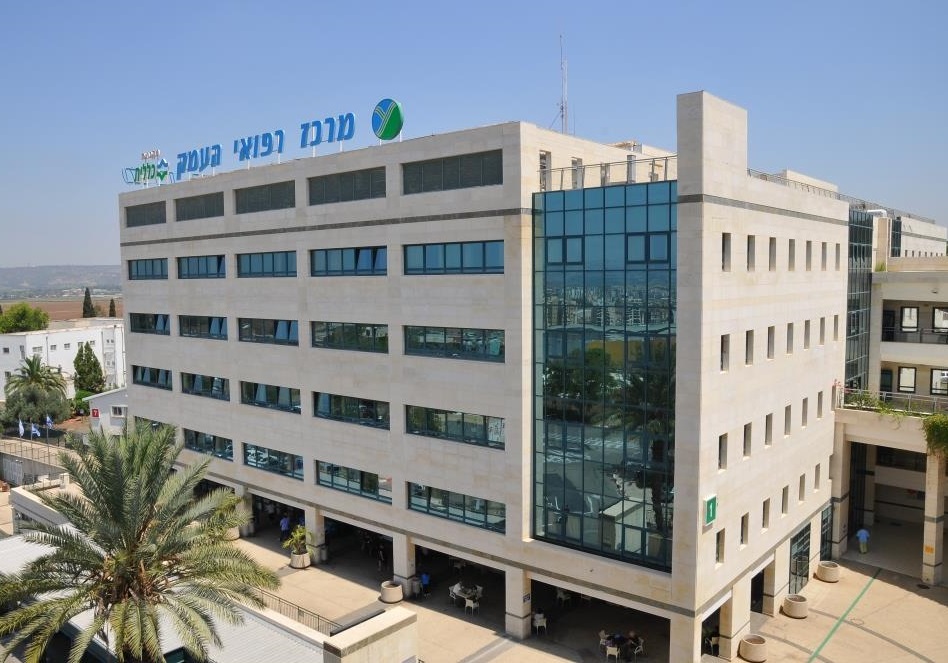
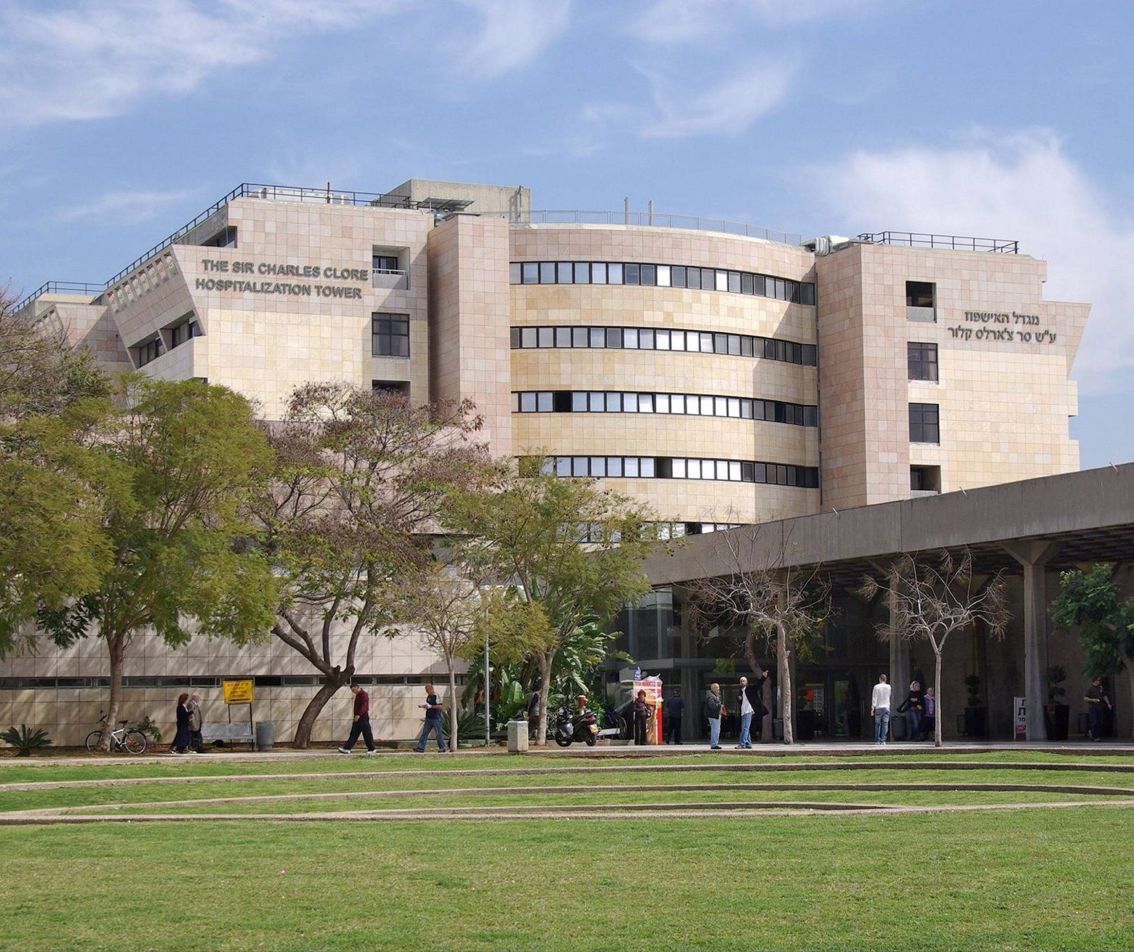
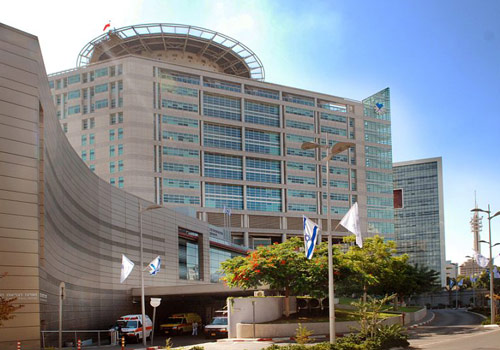
Israel is home to some of the best hospitals and medical centers in the world, such as the Sheba Medical Center, Rambam Health Care Campus, and Hadassah Medical Center. These institutions have specialized hematology departments staffed by experienced oncologists, hematologists, and stem cell transplant specialists who are at the forefront of AML research and treatment.
Advanced Treatment Options
Israel’s medical facilities offer the latest advancements in chemotherapy, targeted therapy, immunotherapy, and stem cell transplants. Many hospitals participate in global clinical trials, giving patients access to innovative therapies that may not yet be widely available in other countries.
Personalized Treatment Plans
Israeli oncologists tailor treatment plans to each patient's specific needs, considering factors such as age, health condition, and genetic mutations. This personalized approach ensures that patients receive the most effective therapies with the least possible side effects.
Focus on Patient Comfort and Support
In addition to medical excellence, Israeli hospitals emphasize a holistic approach to care, focusing not only on the patient’s physical health but also on emotional and psychological well-being. Many facilities offer supportive services such as counseling, rehabilitation, and pain management, making the patient’s experience as comfortable as possible.
Cutting-Edge Research
Israel is at the forefront of cancer research, with numerous studies focusing on new treatments for AML. Patients in Israel often have access to experimental treatments and clinical trials, offering hope for those with refractory or relapsed AML.
Cost-Effective Care
While maintaining the highest standards of medical care, treatment in Israel is relatively affordable compared to other Western countries.